Remote Work Digest: September 29, 2023

The latest on all kinds of information, news, and resources that help you make working remotely better.

What Can a Business Do to Improve Its Productivity? | Marc Berman, Programminginsider.com

Every year, employers bear the burden of $1.8 trillion in lost productivity. So, what can a business do to improve its productivity? Keep reading to know more.

Set Clear Goals and Objectives

To improve productivity, a business can set clear goals and objectives. This involves clearly defining what the business wants to achieve and creating a plan of action to reach those goals.

By having concrete goals and objectives, employees have a clear direction. Also, they can focus on what needs to be accomplished.

Time Management

A clear understanding of the value and importance of each task will help employees stay focused and work efficiently. Furthermore, utilizing time-tracking tools can help manage workload and reduce unnecessary work duplication.

Invest in Employee Training

A successful business understands the importance of staying competitive in the market. This is why businesses must provide employees with the skills and knowledge. With this, they can perform their tasks more efficiently.

Encourage Breaks

A business can encourage breaks for its employees to improve productivity. It may seem counterintuitive. But, breaks actually have a positive impact on productivity. It would help if workers were able to take short breaks throughout the workday. With this, they will be able to recharge and refocus. This leads to increased energy and concentration.

Effective Communication

Effective communication is the cornerstone of a successful business. A business can improve its productivity by establishing clear and open lines of communication. This is not just for employees but also for stakeholders and managers. Regular communication can be done through various channels. It can be through team meetings, emails, and one-on-one discussions. These can help in identifying challenges and aligning goals.

Productivity is the key to a successful business. A business needs to get answers on what can a business do to improve its productivity.

A business can improve its productivity by implementing strategies. You can provide training and resources for your employees. Also, it helps to evaluate their performance regularly. Don’t wait any longer. Start taking steps toward increasing productivity in your business today!

Here are some of the best places in the world to remote work from – two are in Europe | Euronews.com

It’s a well-known fact that more Europeans than ever are working remotely. The trend was greatly accelerated by the COVID-19 pandemic but it’s set to continue as people experiment with new ways of work.

Research shows that on average across the EU, 30% of workers regularly worked from home in 2022, either fully or in a hybrid model, with previous estimates putting that figure at as low as 5.5% in 2019, before the pandemic began.

Best international locations for expat remote employees

Madeira, Portugal

Its temperate climate and oceanside location make it appealing for expats and remote workers seeking a traditional culture at home and a modern culture in the workplace.

Because of recent infrastructure upgrades, Madeira claims to have the fastest internet speeds in Portugal. Foreign remote workers can rent hybrid ‘workation’ facilities combining housing and workspace. Rental for a two-bedroom apartment starts at about €850 per month.

Tallinn, Estonia

With competitive internet speeds and online access to virtually every public service, Tallinn offers an affordable alternative to more expensive or touristy European cities.

One major advantage Estonia offers for digital nomads and remote workers is a flexible residential and visa policy. Digital nomads can qualify for e-residency status, allowing them to own and operate businesses without the required physical presence.

Bermuda

The island of Bermuda is tempting for adventurous remote workers and digital nomads considering a complete departure from the traditional corporate environment.

While Bermuda is still primarily a tourist destination noted for its pink sand beaches, it also features competitive internet capacity and well-equipped co-working spaces.

Chiang Mai, Thailand

Located in Thailand’s northern hills, Chiang Mai has become a popular destination for younger remote workers and digital nomads. 

There is a strong expat and digital nomad culture in Chiang Mai, although Thailand does not currently have a defined visa programme for digital nomads or temporary remote workers.

A government work permit is also required before foreign remote workers can earn any income in the country. A ‘Special Tourist Visa’ allows long-term travelers to stay in Thailand for up to 270 days.

Bali, Indonesia

Bali’s thriving international community and abundance of co-working spaces make it easy for foreign workers to set up shop, find accommodation, and build a social network within the city’s borders.

There is also a digital nomad visa planned for Bali.

The government of Bali and private investors have significantly improved its digital infrastructure, with Wi-Fi access widely available in public areas and communal workspaces.

Bangalore, India

The bustling city of Bangalore has been called the Silicon Valley of India because of its tech-friendly economy and well-trained local workforce. Remote workers and digital nomads can easily find a niche in the city’s business district. Bangalore’s climate is relatively mild compared to other regions of India, which makes it a more comfortable environment for foreign workers.

The country also offers a long-term visa for foreign professionals seeking to work remotely in India. While no specific visa programme exists for temporary remote workers or digital nomads, a traditional work visa can be extended for up to five years.

15 Career Hacks That Help You Get What You Want In Life, Too | Michele Molitor, Yourtango.co

When it comes to taking your career success to a new level, there are some fundamental things you should keep in mind.

No matter where you’re from, I’ve found these things to be pretty much universal.

Read through the list and see what resonates most for you, as well as which ones sting a little or give you pause. Those are the ones you need to pay particular attention to.

Here are 15 powerful career hacks (that work for the rest of your life, too)

1. Deep breathing

First, take a deep breath and chill out a little.

You don’t have to have everything figured out today.

2. Knowing your core values

Identify your core values and compelling “why.” Then, align your work to these beliefs. The more aligned you are, the better your career will flow.

3. Being aware of the best use of you

Ask yourself: What’s the highest, most valuable use of your time, energy, and talents over the next 12 months?

4. Doing what you love

Notice what pulls you forward in your work and fills your cup — the things you do where time disappears.

Then find ways to do more of that, more often.

5. Knowing your “don’t want’s”

Notice what’s not working for you and move those obstacles out of the way.

Write down what you “do want” and what you “don’t want” in your life and career as you move ahead.

6. Using your brainpower

If you’re bored, then you’re not being challenged, and you’re not growing.

Do you want to choose growth or stagnation for yourself?

7. Being aware that failure is still learning

Learn from your mistakes and missteps and then move forward with those lessons front of mind while leaving the scars in the past.

8. Following the wisdom

Hang out with people wiser than you — learn from their mistakes, so you can avoid them.

And then, even maybe, leap-frog right over them to even greater success.

9. Being wary of false truths

What false truths are you telling yourself? What old beliefs and decisions about yourself are holding you back from achieving all that you know in your heart, you’re capable of achieving?

Here’s a hint: You are enough.

10. Being true to yourself

Live authentically. Find your way to share your gifts and unique talents with the world. Different is beautiful.

11. Giving yourself permission

Full permission to be yourself, to listen to your heart and spirit, and create a life you love.

You’re worth it.

12. Knowing what’s needed now

What steps can you take today to move you forward in the direction of your goals and dreams?

Identify the hard stuff and do those things first.

13. Doing some “out of the box” thinking

Open up your vision to the possibilities that are all around you, versus what you think they should look like.

Notice where your fears are trying to fool you to stay inside the box as well.

14. Being invested in the game

Do you have an investment in the game? What’s your catalyst or carrot for moving yourself forward?

Use this as a motivator and let it fuel the fire in your belly to help drive your success.

15. Choosing joy

Each day, choose the perspective that lifts you up and motivates you from the inside out.

As you find more joy in each day, you’ll feel better and much happier, which triggers the happy chemicals in your brain (dopamine, oxytocin, serotonin, and endorphins).

All of which helps to increase your confidence and well-being! And guess what? Other people like working with happy people, so create a win-win!

11 Remote Jobs You Can Do That Don’t Need Any Qualifications | Jack Turner, Tech.co

  1. Data Entry

As the name suggests, the role consists of inputting data into a database from another source. Typically, it’s from one electronic source to another, although some roles may send employees paper documents to take information from.

Ideal skills: You’ll need to be computer literate, and ideally have a good eye for detail. The job can also be very monotonous, so you’ll need to be able to deal with repetitive tasks without issue.

2. Language Tutor

One of the most common entry level roles in teaching is teaching languages. Typically these will be one on one, and the students can be children or adults. Some online platforms require a bachelor’s degree, but not all.

Ideal skills: You’ll need to have a perfect grasp of the language you’re teaching, and be a good communicator too. You’ll also need to keep in mind timezone differences, as your students are likely to be outside the US.

3. Customer Service Representative

There are plenty of remote jobs in customer service – any company that offers a product or service will need customer service representatives to respond to questions, take orders, arrange bookings, deal with complaints, and more.

Ideal skills: You’ll need good communication skills, and ideally be a fast typer if you’re dealing with online messages. If you’re fielding calls over the phone, make sure you have a quiet work environment in your home.

4. Virtual Assistant

Virtual assistants will typically help out with day to day tasks, such as calendar scheduling, managing emails, booking travel appointments, and so on, but it can be a very varied role, depending on the industry.

Ideal skills: Good communication, time management and the ability to problem solve and juggle multiple tasks are all beneficial to being a virtual assistant.

5. Community Manager

A community manager is responsible for being the face of an organization – usually over social media, or online forums. They are expected to liaise with customers and the community on a daily basis, and answer questions, create content and, in some cases moderate content too.

Ideal skills: For this role you’ll need excellent communication skills, as well as the ability to find answers quickly to questions that are asked.

6. Sales Representative

Sales roles are likely to be phone based, and usually involve tight targets with high expectations. If you can thrive in a pressured environment, and can handle rejection from potential customers, a remote sales job may suit you.

Ideal skills: You’ll need to have excellent people skills, the ability to talk positively about the product or service you’re selling, and be target oriented.

7. Translator

If you know two or more languages, then a job in translation could be an ideal fit. There are many remote translation roles available, and they cover a huge spectrum of industries, including anything from translating medical information, to checking advert copy for foreign markets.

Ideal skills: It goes without saying that you’ll need to be fluent in at least two languages. It may also help to be aware of cultural nuances, and if you’re translating documents, fast typing skills are a must.

8. Content Writer

If you’ve got a knack for writing compelling copy, then a remote content writer role could be your next job. Roles can be either freelance or permanent, and the sky’s the limit as to what you could find yourself writing about, whether it’s recipes or online guides.

Ideal skills: Excellent writing skills of course, as well as the ability to write at speed. Many writing roles pay by the piece, so the more you can produce, the more you’ll get paid.

9. Proofreader

A proofreader will read a text, noting typing errors and grammatical errors, and because the job is mainly reading, it’s an ideal role for those looking to work remotely.

Ideal skills: You’ll need to have a keen eye for detail, be proficient in the language of the copy, and know your colons from your commas.

10. Transcriptionist

While it’s true that some companies have turned to software to transcribe audio these days, there is still a need for transcriptionists out there.

In the role you may be tasked with transcribing TV shows, films, podcasts, and more. The role tends to be freelance, giving you the chance to work for several companies at the same time.

11. AI Prompt Engineer

Of all the jobs on this list, this one is the new hotness. A prompt engineer essentially gives instructions to an AI platform, such as ChatGPT, to get it to produce anything from copy, to program code, to images.

As the field is still relatively new, it’s a great time to get in, and, providing you’re comfortable with AI and know how to create killer prompts, it can be quite lucrative.


Remote Work Digest: August 29, 2023

The latest on all kinds of information, news, and resources that help you make working remotely better.

11 Skills Small Business Owners Need To Have in 2023 | Catherine Collins, Finance.yahoo.com

Whether you’re a solo entrepreneur or the CEO of a small team, small business owners in 2023 need to have a range of skills in order to compete effectively in the marketplace. Here are eleven of the most important.

Communication

It’s ironic that we have so many different ways to communicate with colleagues and customers, yet so much gets lost in translation and tone. Improving communication skills can go a long way in meeting customer needs, as well as creating a healthy work environment.

Digital Marketing

Learning about growing an email list, marketing to customers, copywriting and running social media ads can help entrepreneurs grow their small businesses over time.

Money Management

Managing money, budgeting, organizing receipts and paying quarterly self-employment taxes are necessary parts of running a business. A business owner who wants to grow and thrive in 2023 would be wise to take the time to understand their day-to-day business finances.

Emotional Intelligence

Emotional intelligence, also known as EQ, means you can understand emotions. Someone with a high EQ can sense other people’s feelings and empathize with them when necessary. It’s a crucial skill for a business owner to have, especially if they are interacting with customers or employees on a daily basis.

Time Management

Unlike a 9-to-5 job, it’s hard for business owners to completely log off for the day. Running a business takes significant mental space, and learning better time management skills can help with work/life balance as well as productivity.

Innovation

It’s important for business owners to think dynamically about their products and services and regularly think about ways they can better serve their customers.

Networking

Attending conferences and industry events is a great way to learn about innovations in the field and also meet fellow business owners. It’s also important to use tools like LinkedIn and local meetups to collaborate and cross-promote.

Remote Team Management

Teams that typically interacted in office buildings suddenly had to navigate the world of remote work. Because so many workers now enjoy the flexibility of working from home, understanding how to manage teams in a remote environment is a useful skill for business owners in 2023.

Cultural Competence

The world is a diverse place, and as such, it’s important for businesses to have a diverse workforce and serve diverse customers. Getting training to ensure your business and business practices consider diversity and inclusion is a respectful way to ensure you can attract top talent and create a successful work environment.

Resilience

Running a small business can be emotionally exhausting, and the path isn’t linear. You could have your best months followed by your worst months and vice versa. What typically contributes to a small business’ success is grit and resilience.

Final Thoughts

Only with continuous learning and resilience can businesses continue to find success in a new landscape. The business world has changed dramatically, especially since the pandemic, and business owners need to find new ways to market, network, communicate and lead to thrive in 2023.

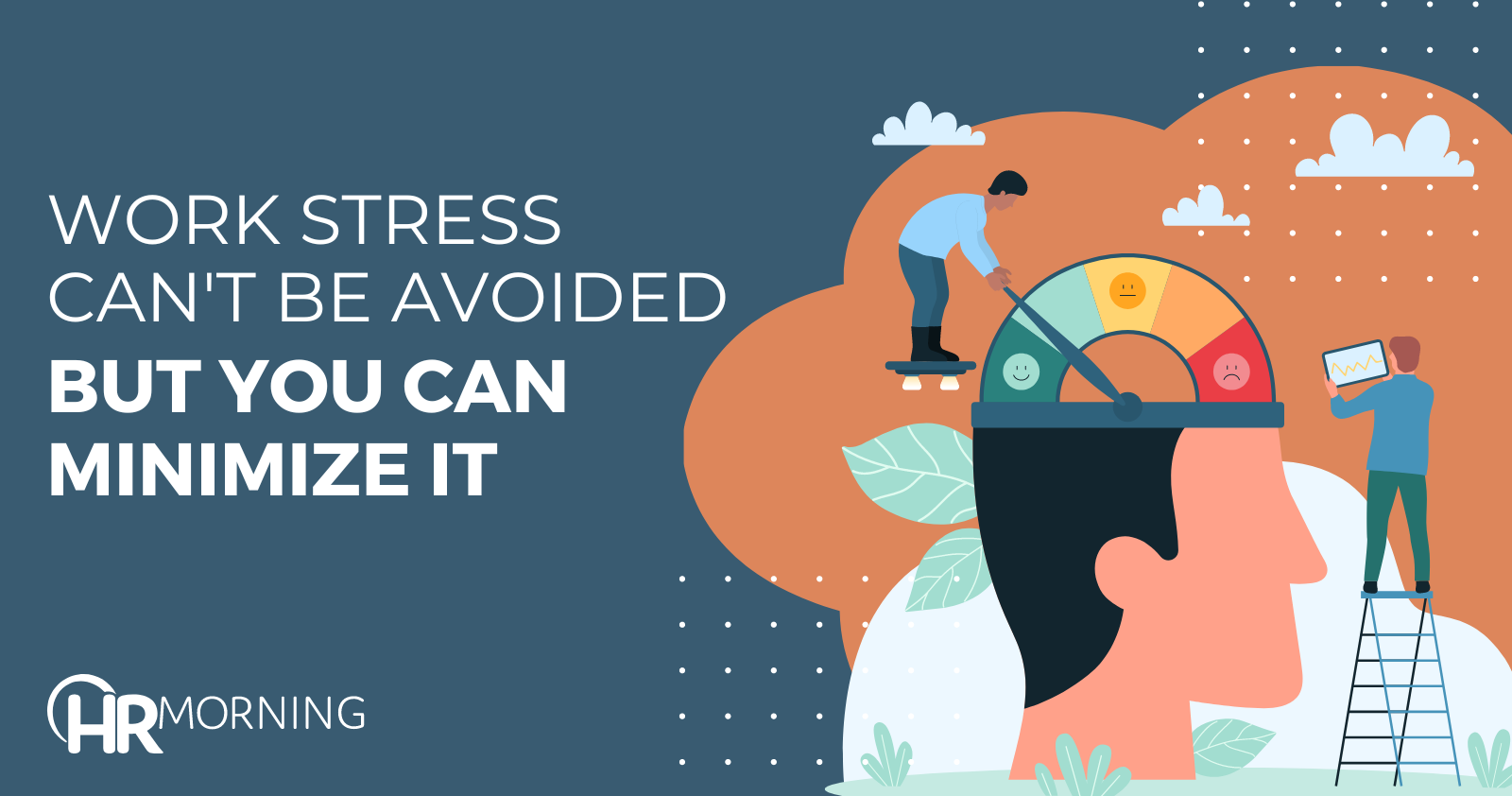
10 ways to deal with and manage stress at work | Rich Henson, Hrmorning.com

Daily stress, like meeting deadlines and providing deliverables, is challenging enough. But when stress becomes chronic, it’s overwhelming and harmful to your physical and mental health.

10 steps to avoid work stress

1.Identify what stresses you

It’s essential to learn what’s causing your stress at work. Using “mindfulness” techniques at work can help you identify what raises your stress levels.

A great way to stay mindful is to keep a journal, even if only for a brief period, like a week or a month. At moments when you’re feeling particularly stressed, write down a quick description of the situation. You‘ll get better – and faster – at it.

2. Set boundaries

Allowing work to take over your life is bound to create stress. And the most common way for this to happen is by routinely replying to emails after hours. It’s toxic. And when after-hour responses become the norm, you’re the only one who can put your foot down.

Step one is to set firm boundaries. Set an example by respecting your team’s lives outside of work. And don’t send or encourage work emails or communications late in the evenings or on weekends.

3. Develop healthy responses

Many of us tend to fight stress with food or alcohol, so do your best to make healthy choices when you feel the tension rise. Any form of physical activity is a great stress buster (e.g., yoga, walking, swimming, gardening, cleaning).

Add quality sleep to your list of healthy things to do. Build sound sleep habits by limiting your caffeine intake late in the day and minimizing stimulating activities, especially screen time, before bed.

4. Take quick breaks

Simple quick breaks that put distance between you and the source of your immediate stress can work wonders.

Walk to your car to “get something.” Watch a two-minute video on YouTube or TikTok. Call a friend and say “Hi.” Go to the bathroom. Any quick distraction that can remove you from a stress-creating situation helps.

5. Stop trying to be perfect

Naturally, you want to “give it your all” when it comes to your career. But try not to be perfect at every aspect of your job. The top performers and hardest workers tend to deal with stress the most.

Self-awareness is your best friend in these situations. Whether it’s accepting that no one is perfect or realizing some people can do some things better than you, if perfection is your obsession, try to get a handle on it.

6. Get organized

Organizing your work life is a great stress reducer. Develop an organizational plan that’s easy to maintain, and stick with it. A basic component is a good filing system that works. There are countless examples online. Find one and use it.

This will save you time in the long run by making everything easily accessible. Consider creating rituals for your daily life. These may include personal routines like making tea before work or going on a walk every day during your afternoon break.

7. Don’t be afraid to ask for help

The workplace of the 21st century is becoming increasingly competitive and stressful. It’s more important than ever to have a mentor or coach to guide you through your career, especially if you feel unsure of your next steps.

8. Talk to your supervisor

Employee health has been linked to productivity at work, so your boss has an incentive to create a work environment that promotes employee well-being. Start by having an open conversation with your supervisor.

The purpose of this isn’t to lay out a list of complaints, but rather to come up with an effective plan for managing the stressors you’ve identified. This will allow you to perform at your best on the job.

9. Get comfortable

You might not notice you’re stressed if you’re sitting in an uncomfortable chair for a few minutes. But what if you practically live in that chair at work? You might have a sore back and be more reactive to stress because of it.

Even small things like noises or a colleague’s humming can be distracting and cause feelings of low-grade frustration. Do what you can to create a quiet, comfortable and soothing workspace.

Practice these 10 stress relievers

  1. Count to 10 before you speak or react.
  2. Take a few slow, deep breaths until you feel your body start to unclench.
  3. Go for a walk, even if it’s just down the hallway and back.
  4. Try meditation or a prayer to reset.
  5. If it can wait, let it sit overnight.
  6. Break down problems into smaller parts and tackle them one step at a time.
  7. Hug a friend.
  8. Find a colleague you can confide in.
  9. If you owe your mom a phone call, take a few minutes to call her
  10. Do something simple you’ve been putting off, like making that dental appointment.

Boosting Employee Productivity: Effective Strategies for Success | Richard, Streetwisejournal.com

From maintaining a great office environment to leveraging modern tools, we’ve got you covered with a variety of strategies that will transform your workplace into a productivity powerhouse.

Strategy 1: The Power of a Great Office

Maintaining a Clean Environment: Commercial Cleaning

A clean and organized office is the foundation of employee productivity. When employees walk into a well-maintained environment, they feel valued and motivated. Consider hiring a commercial cleaning service to ensure that your office space is consistently spick and span.

Strategy 2: Flexible Work Arrangements

Embracing Remote Work: Work-From-Home Options

Granting team members the flexibility to operate from home, even intermittently, can foster improved job contentment and a harmonious work-life equilibrium, elevating their overall output.

Strategy 3: Invest in Professional Development

Continuous Learning: Training and Skill Enhancement

Allocate resources to skill-enhancing endeavors, seminars, and instructional sessions, enabling them to refine their expertise and stay abreast with sectoral shifts. When they sense the firm’s commitment to their progression, their drive to excel intensifies.

Strategy 4: Encourage Regular Breaks

Mindfulness Breaks: Meditation and Relaxation

Encourage your employees to take regular breaks throughout the day. Short breaks can actually enhance focus and creativity. Consider setting up a relaxation or meditation space in your office where employees can recharge their minds.

Strategy 5: Embrace Technology Tools

Utilizing Productivity Apps: Task Management and Collaboration Tools

From task management apps that help organize daily to-do lists to collaboration tools that streamline teamwork, these tools can transform how your employees work. Platforms like Trello, Asana, and Slack facilitate efficient communication and task tracking, ensuring that everyone is on the same page and tasks are completed promptly.

Strategy 6: Recognition and Rewards

Celebrating Achievements: Employee Recognition Programs

Feeling valued and appreciated is a strong motivator. Implement employee recognition programs to acknowledge and reward outstanding performance. This can range from a simple “Employee of the Month” award to bonuses or additional time off. 

Strategy 7: Clear Communication and Goal Setting

Setting Expectations: Transparent Communication

Clear communication is the cornerstone of a productive workplace. Ensure that your employees are aware of their roles and responsibilities, and that they understand the company’s goals and objectives. Regularly communicate updates and changes to keep everyone informed and aligned. 

In conclusion

Boosting employee productivity isn’t about enforcing strict rules or pushing your team to the brink. It’s about creating an environment that nurtures their growth, respects their well-being, and leverages modern tools and techniques to maximize their efficiency.

Essential skills for remote leadership | Thunderbird School of Global Management, Forbesindia.com

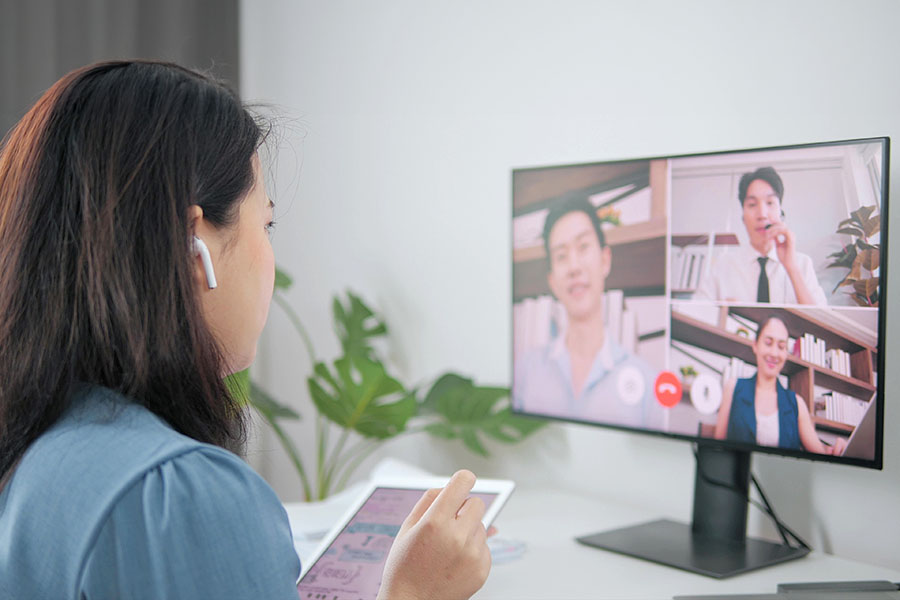
Back view of businesswoman talk with team business partner using video call on laptop discuss work project online. Video conference, Online meeting concept

Common problems leaders experience when managing remote teams and actionable strategies to overcome them.

Remote leadership challenges

Remote leadership comes with a unique set of challenges that can make it difficult to manage a team effectively. One of the most significant challenges is communication.

Communication

The lack of in-person interaction can make it harder to build trust and rapport. Written communications can also make it difficult to ascertain tone and lead to misunderstandings and conflicts.

Lack of team cohesiveness

Effective teams work toward the same goal, utilizing each team member’s strengths to achieve results. This can be difficult to create in a remote environment, especially in teams with a mix of in-office and remote members.

Managing time zone differences

Managing remote employees that work from different time zones can be challenging. Something as simple as setting meetings suddenly requires extra planning and flexibility as workers from later and earlier time zones work to find a time that is neither too early or late.

Maintaining company culture

Having a positive company culture can even help recruit and retain workers, but maintaining it is difficult with remote teams. This is especially problematic when onboarding new employees.

Tracking productivity

Keeping workers productive is an important part of management, but how do you ensure productivity in remote teams? Shifting from measuring the number of tasks checked off a list to more remote-friendly measurements isn’t easy for many leaders, but it’s necessary.

Tips for managing remote teams

Elevate your communication skills

Improving communication skills can help remote leaders create a more supportive and collaborative work environment. It can also reduce the frustration that comes with misunderstanding tone or instructions.

Provide regular feedback

Your remote team needs more than a list of to-dos that get crossed off. They also need feedback. Providing regular feedback may happen organically when you work in the same office, but in a remote environment, it takes more effort.

Measure productivity differently

Productivity has traditionally been measured by the time a worker spends working and the number of tasks they complete. This approach to leadership is largely ineffective when managing remote employees. Reducing an employee’s worth to how many items they check off a list fails to properly value the impact of the work they complete.

Trust and build trust with your teams

Trust is an essential ingredient for building successful teams, especially in a remote environment. Unfortunately, it is one of the more difficult challenges faced by remote leaders and their teams.

Set clear expectations

Setting clear expectations is essential for achieving success in any organization, but it is especially important for remote teams. When workers understand what is expected of them, they are better able to focus their efforts, stay on track, and meet performance standards. 

Establish the team’s purpose

When setting expectations for your remote team, start by defining specific goals and objectives that align with the organization’s mission and vision.

Practice empathy

Leaders may be obligated to focus on business objectives, but that is not where the job description ends. We are humans first and employees second, but leaders sometimes forget this due to the pressure involved in reaching company goals. As a remote leader, it is even easier to forget that the people on the other side of the screen are real humans juggling life and work.

Remote Work Digest: July 30, 2023

The latest on all kinds of information, news, and resources that help you make working remotely better.

Five Steps To Jumpstart Your Employee Digital Transformation Journey | Anshul Sheopuri, Forbes.com

Transformations rarely achieve their full potential. Being intentional about the accelerators to jumpstart digital transformation of your employee journeys can maximize your chances for success. Here are five steps to get started.

1.Start with the business and user problem.

We all experience products and services with a compelling value proposition day to day, whether it is a smartphone, cloud storage or an electric vehicle. What is common across these is that they solve a user problem differently. For example, as opposed to simply making floppy disks smaller or the experience of transferring data with floppy disks better, cloud storage solutions get to the root of the user problem to store data at scale, securely, seamlessly and at low cost.

2. Create an employee digital storefront to unleash clarity and adoption.

Over the past decade, digital storefronts for customers have mushroomed across a variety of industries. While this has helped obfuscate organizational complexity to customers, in many cases, this has also resulted in too little incentive to simplify organizational structure and organize work around the customer.

3. Activate an operating model with user experience as the clue to galvanize the organization.

Just like software or product organization operating models have become more standardized with the competency areas around product management, development and design, other capabilities that organizations deliver, for example, accounting services, sales operations and human resources, need to operate with clarity of accountability points and structure. This is even more critical in moments of significant change and requires intentional moments of conversation and reinforcement:

• Co-creation with users and stakeholders.

• Continuous improvement with an outside-in lens.

• Candid feedback, creating safe spaces for difficult conversations.

• Celebration, coming together as a team to reflect and celebrate key milestones.

4. Diagnose and instrument root causes versus the symptoms.

Since the root causes span across process, technology and data management, the solutions need to be multifaceted as well, including automated data quality management, defined software testing process and user-centric journeys.

Quick wins matter. Communicate how progress is being made via improvements in data quality. But remember that the right quick wins that address root causes (versus only the symptoms) matter more.

5. Compliance is table stakes – set the bar with voluntary adoption of higher ethical standards.

Taking a compliance-centric approach is table stakes. Set the bar for your organization with voluntary adoption of higher ethical standards to future-proof your posture in line with the organization’s values. While this can feel daunting, remember that companies are at different points in this journey, and it can be helpful to work together to define common standards in new and emerging areas.

Employee journey transformations are a significant opportunity for employee experience and business outcomes. Being intentional about the right stepping stones can maximize the chances of success.

8 Reasons Why You Should Work a Full-Time Job Before Freelancing | Abigale Lim, Makeuseof.com

The allure of freelancing is undeniable. The freedom to work on your terms while earning a high income is undoubtedly appealing. But before you take the plunge into a full-time freelance career, consider the benefits of staying in a nine-to-five job first. Let’s explore why working a traditional full-time job before freelancing can set you up for long-term success as a freelancer.

1.Gain Practical Training

Working in a structured environment allows you to hone these skills. You can learn freelance skills by watching YouTube videos or enrolling in a course. But you’ll gain these skills much faster and get paid while learning if you work a full-time job first.

2. Get Help from Experience Colleagues

In a traditional work setting, you’re surrounded by experienced professionals from diverse backgrounds. Many companies have mentorship programs and feedback systems in place. Leveraging the knowledge and expertise of superiors can benefit your personal and professional growth.

3. Expand Your Network

Working full-time exposes you to a network of professionals. Clients, vendors, leaders, recruiters, and industry peers are your most beneficial professional connections. Building solid relationships with these individuals can open doors to future freelance opportunities.

4. Build Your Emergency Fund

Unstable income is one of the risks of freelancing, especially in the initial stages of your career. Since you don’t have an employee-employer relationship with clients, you can lose your source of income without warning.

A full-time job provides a stable income. It also offers benefits like paid leaves, bonuses, and health insurance plans. As a freelancer, you don’t get paid if you go on vacation. You don’t get paid if you’re sick and can’t work. An emergency fund that will last at least six months will lessen your stress during these moments.

5. Build a Strong Work Ethic

Soft skills such as self-discipline and time management are essential skills of a successful freelancer. As a freelancer, you set your work schedule and choose your projects and clients. It’s easy to procrastinate and lose sight of your workload. The work ethic you develop in your full-time job will be crucial to your success.

6. Learn From Your Mistakes

Working full-time as a young professional provides a safe space to learn and grow from these errors. Many companies offer free training for their employees. Your colleagues and superiors can also provide feedback, helping you avoid similar pitfalls in your future freelance projects.

7. Build Your Portfolio

A diverse and impressive portfolio is a freelancer’s best marketing tool. It attracts potential clients and displays your capabilities. While working full-time, you can work on various projects that can expand your portfolio.

8. Test the Freelance Waters

There are many simple freelancing jobs you can learn easily. Take time to discover the role that fits your skills best. As you gain confidence and experience, you can gradually transition to freelancing full-time.

Embrace the learning opportunities that come with a full-time job. When the time is right, you can venture into freelancing with confidence. If you’re sure that freelancing is for you but can’t let go of the benefits of your traditional job, consider doing both. Holding a freelance job while freelancing as a side hustle works for many professionals.

Tips to avoid loneliness when working from home | Rhymer Rigby, Fm-magazine.com

The COVID-19 pandemic accelerated a shift to remote work that was already happening. But while people may love the lack of a commute and the freedom, they may also miss the social side of the office. A 2021 survey of 2,000 UK and US office workers by Kadence, the hybrid workplace software company, found that 81% of workers under the age of 35 and 64% of workers over 35 were concerned about loneliness if they were to continue to work from home full time. Other research has drawn links between tech-enabled distance working and loneliness. So, if you are feeling isolated while working remotely, what can you do about it?

Get outside

If you were at work all day, you wouldn’t just sit at your desk from nine to five. So don’t do this at home. Take a break and get out of your home office.

Set up social media groups

One of the problems with remote work is that you miss the informal chit-chat and serendipitous meetings you have in the office. So, re-create these on social media apps. The ability to make off-the-cuff comments and chat informally is invaluable, and messaging apps significantly reduce the barrier to informal commenting (an email, by comparison, is quite formal).

Attend Zoom or Teams meetings

As much as we can moan about video meetings, they do capture some of the feeling of being together in person. We can see our colleagues and read their facial expressions and feel to an extent that we’re with them. 

Make phone calls

The rush to video during the COVID-19 pandemic (and an addiction to messenger apps) means the phone often gets overlooked as a form of communication. But if you have sent a dozen messages or emails, really, you should be making a phone call. It can be far more efficient — if someone doesn’t quite understand what you’re asking, you can clarify what you mean in real time. 

Don’t always work at home

Just because you’re working remotely doesn’t mean you always have to be in the spare bedroom. Investigate other options such as coffee shops, co-working spaces, or libraries. These will deliver an office-like experience. And if you go once a week, even if you don’t know people at first, you’ll soon be on nodding terms with other regulars. 

Encourage your company to have meetups

There is no substitute for meeting face to face. But the good news is a little goes a long way. You only have to meet up with colleagues once every few months to improve your virtual relationships and make them feel deeper and more meaningful. 

Consider a pet

If you’re in it for the long run, a dog or cat can make a big difference — and, what’s more, they’ll never try to micromanage or take credit for your work.

Don’t be afraid to admit you’re lonely

Talking and sharing helps enormously, and you may discover other remote workers have the same problems you have. Your company may also be able to provide you with help under its mental health policy.

Avoid overwork

One of the mistakes many people make when working remotely is believing that they have to fill every moment with work. But you don’t have to use the time you once spent commuting chained to your desk, and you can take a lunch hour. Measure what you do by work output, not hours put in. 

Talk to your company about coming in

Employees often ask to be allowed to work from home two or three days a week. So, assuming the office isn’t hundreds of miles away, why not turn this on its head and ask if you can “work from work” once a week? Loneliness can have an enormous negative effect on both your mental health and your productivity. If you are suffering from it, tell your employer. They are likely to want to help in any way they can.

9 pro tips for creatives working from home | Tina Touli, Creativebloq.com

It’s easy to plonk a laptop on the dining table or coffee table and work away, but that probably isn’t going to be comfortable in the long run, and your work may suffer too. Below, the art director and designer Tina Touli offers nine pro tips to consider when honing your home work set up, from your surroundings to your screen (see our pick of the best 4K monitors for options there).

Manage screen brightness

Work in intervals on maximum brightness so that you can get the best out of your colours without damaging your eyes.

Keep organised

Work from everywhere without any technical difficulties by keeping mobile hard drives nice and organised so you can work on your files without taking over your memory!

Invest in a good screen

Your laptop is your friend for when you are out and about, but a great screen will pay dividends when it comes to working in your studio. I recommend a Dell UltraSharp; the colours are so accurate I have barely touched the default settings. 

Don’t be afraid of contrast

Don’t be afraid of contrast – Full black or white can be daunting, but be brave!  I love high contrast, even B&W, but colours are my favourite. Vivid bright colours.

Light up your room (and your screen)

With bias lighting behind your screen and some clever atmospheric lighting in the room, you can create some separation between work and leisure.

Keep your environment neutral

Keeping your environment neutral can bring out the colour in your work. I tend to keep the studio space more neutral in terms of colour (of course there are little pops of colour around) and even my desktop wallpaper is just a solid grey colour. I feel like it helps me better shape/check the colour palette of every project I am working on.

Listen to music

Science says 60-70 bpm playlists are best to maximise concentration but I love everything from rock music to house. The music I choose depends on my mood, the project I am working on, even the time of the day, but music for working is definitely key.

Print your work

Screens like a Dell UltraSharp allow us to see a lovely range of colours that are super close to what you get on print, something very important for multidisciplinary designers like myself.

Consider a standing desk

Standing desks are your friend, especially if you need to draw on a tablet. I love using a sitting desk when working on the computer but a standing one when I experiment by hand, blending the analogue and the digital worlds (see our guide to the best standing desks for possible options).

Remote Work Digest: June 21, 2023

The latest on all kinds of information, news, and resources that help you make working remotely better.

These are the top 20 must-have skills to put on your resume | Jessica Howington, Flexjobs, Fastcompany.com

Writing a good résumé is a difficult balancing act. Sometimes it can be a challenge to keep your resume length short and sweet while also including enough quality information to make a lasting impression.

How do you figure out the best skills to put on your resume? And what if you’re looking to find a remote job?

Hard Skills vs Soft Skills in your resume

Hard skills are technical abilities that are specific to a particular job and are often measurable. For software developers, their set of hard skills would include specific programming languages. Soft skills are personal skills or creative abilities that can come naturally or be strengthened over time. Some examples of soft skills are adaptability, self-motivation, people skills, time management, and the ability to work under pressure.

Top Soft Skills for your Resume

There are tons of soft skills (personal skills) that you can include in your résumé, but how do you know which ones to include? Here is a quick list of soft skills examples you should list on your resume. (Be sure to carefully look at the job description and determine which soft skills you possess that are most applicable for the job.)

Problem-solving skills

No matter what the job is, eventually something will go wrong and employers want to know that you’re capable of coming up with a quick and effective solution. In fact, there are jobs that are essentially nothing but solving problems for the company, the clients, or both.

Critical-thinking Skills

Employers want workers who can think through a problem or a project and determine the best steps needed. Critical thinkers come up with new and better ways to work, making it an invaluable skill to put on a resume.

Flexibility

Many organizations and industries covet employees who are dynamic and adaptable to every situation, or who have a natural ability to use a variety of methods and approaches in different circumstances to get the best end result.

Communication Skills

Whether it’s written or verbal, being able to communicate with your boss, coworkers, and clients/customers in all situations is very valuable. 

Teamwork

Most jobs will sometimes require you to work with other people at some point, and employers want to know that you can succeed in a team environment.

Organization Skills

If you want to show off your organization skills, having a tightly structured resume certainly helps.

Creativity

Thinking outside of the box and coming up with creative solutions can be a real asset in any role. Creativity can be shown on your resume through a problem you solved or through a creative skill like writing or design.

Emotional Intelligence

In the workplace, this means you’re rational and even-keeled, and can handle ups and downs without losing control. While this is important for everybody, it’s a must-have skill to include on a resume for management.

Attention to Detail

Paying attention to detail will be needed at any role you have. Consider times when you caught or fixed a potential mistake due to your attention to detail.

Responsibility

Part of being a good employee is taking responsibility for your duties and even owning up to mistakes. Responsibility means doing what you need to do to complete your tasks.

Top Hard Skills for your Resume

Hard skills tend to be more technical, and each industry or type of job will usually have its own required set. Finding out what range of hard skills you’ll be expected to have in your field might require some research. Here are hard skills examples that tend to be in-demand across many industries.

Digital Skills

The list of professions that does not require you to use computers and certain types of software is very short. You could very likely break up “digital skills” into two or three specific technical proficiencies for your field. Most jobs require experience with video meeting software, project management programs, and other company related software.

Design

Aside from the obvious professions like graphic or web design, there are jobs in marketing, advertising, branding, engineering, and construction that require some type of design skills—even if it’s only for drawing up presentations.

Data Analysis

Understand data is very much in vogue right now, and there are a lot of jobs out there where you will be called upon to analyze metrics and extrapolate a practical use from it, making analytical skills extremely valuable to put on your resume.

Negotiation

There are many jobs that involve selling a product or service, purchasing stock or merchandise, brokering deals for production or transportation, establishing partnerships for advertising or investments, and so on.

Mathematics

Finance, business, engineering, construction, manufacturing, logistics, healthcare, and operations will require you to be competent with math in some capacity. If you’re in a profession that is more math-heavy, consider splitting it up into a few more specific skills areas.

Project Management

Many jobs will require project management skills. The ability to manage your task flow and complete assignments on time is part of project management.

Marketing

Even if you’re not a marketer per se, many companies may desire this hard skill. Knowing the highlights and benefits of your company’s products and services, and being able to speak or write about them, can be valuable to many different jobs. If you have specific marketing or social media experience, even better.

Administrative

Administrative skills involve the things you do to manage your role: organizing, planning, scheduling, writing emails, managing files, etc. Employers want to know you’re able to take hold of the details.

Foreign Languages

Being bilingual can be a great hard skill and set you apart from your competition. Even if a role or company doesn’t initially have a need for a bilingual employee, they may look favorably on your ability.

Look for Target Key Words

If you’re still not sure if any of these skills are right for your situation, one quick way to check which skills the employer is seeking is to check the job description.

Soft Skills by Relevance

If you are applying for a sales job, your prior experience as a car mechanic is not the most relevant. You will want to emphasize experience that can be applicable to a sales role. However, if you lack the experience, search through your existing positions for relevant skills.

Add a Highlights Section

Modern resumes are built to be value-oriented, which requires providing information that is more achievement-based as opposed to task-based. If you’ve had multiple roles with varying achievements, select the top four you are most proud of and incorporate them into a Career Highlights section.

Categorize by Skill

If you are higher up in your career level, you likely have multiple responsibilities that cross several platforms or departments. If you are a manager or director of operations at a company, your responsibilities may include: managing staff, maintaining smooth daily operations, communicating with key stakeholders and/or vendors, developing and managing projects, and hiring and training staff.

With either your task-based information or achievements, you can categorize the content into sections to illustrate the diversity in your responsibilities.

Your soft skills and hard skills are the very things that will either qualify you or disqualify you for a job. Be sure to include some of these top skills on your resume for maximum results.

The Digital Nomad’s Toolkit: Essential Tools for Remote Work Success | Macsources.com

Digital nomads, those who work remotely while traveling, have embraced this lifestyle, enjoying the freedom to explore the globe while maintaining a successful career. However, to thrive as a digital nomad, one must have the right tools at their disposal.

Communication Tools

Effective communication is crucial for remote work collaboration. Communication tools such as Slack and Microsoft Teams facilitate real-time messaging, file sharing, and video conferencing, bridging the gap between team members spread across different locations. These platforms enable seamless collaboration, ensuring that everyone remains on the same page, regardless of distance.

Cloud Storage and File Sharing

When working remotely, it’s essential to have access to files and documents you need. Cloud storage services like Dropbox, Google Drive, and OneDrive offer secure and convenient storage options, allowing digital nomads to access their files from any device with an internet connection. With these tools, sharing files with colleagues or clients becomes a breeze, eliminating the need for physical storage devices and minimizing the risk of data loss.

Time Management and Productivity Tools

Maintaining a disciplined work routine while on the move can be challenging. Time management and productivity tools come to the rescue by helping digital nomads stay focused and organized.

Maintaining a disciplined work routine while on the move can be challenging. Time management and productivity tools come to the rescue by helping digital nomads stay focused and organized.

PDF Tools for Mobile Professionals

With a quality PDF toolbox, remote workers can access a versatile solution for efficient PDF management. Whether it’s reviewing contracts, sharing important reports, or collaborating on project documents, the right tools empower professionals to handle PDF files efficiently while maintaining their productivity on the move.

Virtual Private Networks (VPNs)

While traveling, digital nomads often rely on public Wi-Fi networks, which can pose security risks. A Virtual Private Network (VPN) encrypts internet connections, protecting sensitive information from prying eyes. VPNs like NordVPN and ExpressVPN offer secure browsing, allowing digital nomads to work with peace of mind, even on unsecured networks.

Video Conferencing Tools

With the ability to connect with colleagues and clients from any corner of the world, digital nomads can maintain professional relationships and foster collaboration, regardless of physical distance. Video conferencing tools also help to bridge the gap between remote teams, fostering a sense of camaraderie and ensuring that everyone feels included in important discussions and decisions. 

Language Translation Tools

With these tools, digital nomads can communicate effectively with locals, navigate unfamiliar territories, and embrace new cultures, enhancing their overall travel experience and professional interactions. Language translation tools are especially useful for digital nomads who engage in international business, allowing them to communicate with clients or partners in their native languages. 

Password Managers

Password managers can generate strong passwords, automatically fill them in on websites and applications, and sync across multiple devices. This convenience not only saves time but also enhances security by reducing the risk of using weak or duplicate passwords. With a reliable password manager in their toolkit, digital nomads can navigate their online accounts effortlessly and keep their sensitive data protected.

Noise-Canceling Headphones

Noise-canceling headphones are especially valuable in co-working spaces, coffee shops, or while traveling on planes, trains, or buses. By reducing distractions and creating a zone of tranquility, digital nomads can maintain their productivity and immerse themselves in their work, no matter where they are.

Health and Wellness Apps

Maintaining a healthy lifestyle while traveling is essential for digital nomads. Health and wellness apps such as Headspace and MyFitnessPal offer meditation, fitness, and nutrition guidance, helping digital nomads stay mentally and physically fit.

By incorporating these apps into their routines, digital nomads can prioritize self-care, manage stress, and achieve a better work-life balance. Meditation apps provide guided sessions for relaxation and focus, while fitness apps offer exercise routines that can be done anywhere, without the need for specialized equipment. Nutrition apps assist in tracking food intake and making healthier choices while on the go. 

Conclusion

By harnessing the power of technology and embracing these tools, digital nomads can navigate the world while thriving in their professional endeavors. The digital nomad’s toolkit is not just a collection of gadgets and applications but a gateway to unlocking the true potential of remote work, allowing individuals to create their own unique path and find success while exploring the world.

The Impact of Office Lighting on Employee Productivity and Well-being | Kokou Adzo, Startup.info

 Office environments are composed of many factors that contribute to employee performance. Among these, one often overlooked critical element is lighting. How an office is illuminated impacts employees’ productivity, mood, health, and overall well-being and therefore deserves serious attention.

Understanding The Power of Proper Office Lighting

Before delving into the details of how lighting impacts employees, it’s crucial to understand what proper office lighting means. It doesn’t merely refer to having bright lights to ensure everyone can see clearly. It’s about strategically illuminating the workspace to create a conducive atmosphere for productive work. 

Ways Office Lighting Impacts Employee Productivity and Well-being

As modern offices shift their focus towards the well-being of their employees, lighting has come to the forefront as a crucial factor. The following discussion will delve into this concept and shed light on the significant impacts of office lighting on employee productivity and well-being. 

Increased Productivity and Efficiency

Employees working under the right lighting conditions have shown higher efficiency levels, primarily because the human brain processes information better in well-lit environments. Dim lighting can lead to eyestrain, headaches, fatigue, and, ultimately, decreased productivity. Consequently, improved lighting can bolster overall performance. 

Improved Mood and Morale

Office lighting has a direct impact on employees’ moods. Warmer, natural light has been associated with happiness and positivity, while harsh fluorescent lighting can cause discomfort and a decline in mood.

Enhanced Creativity and Innovation

Exposure to natural light or light with similar characteristics has been proven to stimulate creativity. This is attributed to the link between light and the human body’s circadian rhythms, which can induce relaxation and concentration conducive to creative thinking. 

Mitigation of Health Issues

Appropriate office lighting also contributes to mitigating health issues among employees. Insufficient or improper lighting can lead to several health problems, such as eyestrain, fatigue, headaches, and in severe cases, mood disorders. 

Circadian Rhythm Regulation

Office lighting, particularly natural light exposure, plays a crucial role in regulating employees’ circadian rhythms. These rhythms are vital in controlling sleep-wake patterns, appetite, and mood.

Reduced Workplace Accidents

Lighting is essential in ensuring a safe working environment. Poor lighting can lead to increased accidents, whether tripping over objects or making errors on tasks requiring great attention to detail. Well-lit workplaces help prevent such incidents and reduce the stress associated with working in hazardous conditions.

Increased Employee Satisfaction

Better lighting contributes to improved productivity, mood, creativity, health, and safety, ultimately leading to higher overall satisfaction. Employees working in well-lit environments are more likely to feel content and valued, significantly contributing to job satisfaction and retention. 

Reduction in Energy Consumption

Implementing energy-efficient lighting solutions like LED lights or maximizing natural light can significantly reduce energy costs. While not directly impacting employee productivity or well-being, this consideration contributes to the organization’s sustainability goals, indirectly influencing employee morale by fostering a sense of pride in working for an environmentally responsible organization. 

Ways to Improve Office Lighting

Good lighting can enhance focus, uplift mood, and boost morale. Here are a few ways to revamp your office lighting to reap these benefits. 

Increase Natural Light Exposure

 Office environments are composed of many factors that contribute to employee performance. Among these, one often overlooked critical element is lighting. How an office is illuminated impacts employees’ productivity, mood, health, and overall well-being and therefore deserves serious attention.

Understanding The Power Of Proper Office Lighting 

Before delving into the details of how lighting impacts employees, it’s crucial to understand what proper office lighting means. It doesn’t merely refer to having bright lights to ensure everyone can see clearly. It’s about strategically illuminating the workspace to create a conducive atmosphere for productive work. 

Ways Office Lighting Impacts Employee Productivity And Well-being

The impact of office lighting on team member productivity and well-being has been the subject of substantial research in the realm of workplace design. As modern offices shift their focus towards the well-being of their employees, lighting has come to the forefront as a crucial factor. The following discussion will delve into this concept and shed light on the significant impacts of office lighting on employee productivity and well-being. 

  • Increased Productivity And Efficiency 

Multiple studies indicate a strong correlation between optimal lighting and increased productivity. The rationale is straightforward: better visibility leads to fewer mistakes and faster work rates. 

Employees working under the right lighting conditions have shown higher efficiency levels, primarily because the human brain processes information better in well-lit environments. Dim lighting can lead to eyestrain, headaches, fatigue, and, ultimately, decreased productivity. Consequently, improved lighting can bolster overall performance. 

  • Improved Mood And Morale 

Office lighting has a direct impact on employees’ moods. Warmer, natural light has been associated with happiness and positivity, while harsh fluorescent lighting can cause discomfort and a decline in mood. On the other hand, office spaces illuminated with abundant natural light tend to have employees who report feeling happier and more optimistic. This positive emotional state often increases motivation and better interpersonal relations, fostering a healthy office environment. 

  • Enhanced Creativity And Innovation 

In the modern workspace, creativity, and innovation have become paramount for businesses to remain competitive. Interestingly, lighting conditions can significantly influence these factors. Exposure to natural light or light with similar characteristics has been proven to stimulate creativity. This is attributed to the link between light and the human body’s circadian rhythms, which can induce relaxation and concentration conducive to creative thinking. 

  • Mitigation Of Health Issues 

Appropriate office lighting also contributes to mitigating health issues among employees. Insufficient or improper lighting can lead to several health problems, such as eyestrain, fatigue, headaches, and in severe cases, mood disorders. The repercussions of such health issues include decreased productivity and increased absenteeism. Therefore, providing optimal lighting can reduce health-related issues and subsequent losses in productivity. 

  • Circadian Rhythm Regulation 

Office lighting, particularly natural light exposure, plays a crucial role in regulating employees’ circadian rhythms. These rhythms are vital in controlling sleep-wake patterns, appetite, and mood. A disruption in circadian rhythms due to inadequate exposure to natural light during working hours can lead to sleep disorders, decreased performance, and overall well-being. 

  • Reduced Workplace Accidents 

Lighting is essential in ensuring a safe working environment. Poor lighting can lead to increased accidents, whether tripping over objects or making errors on tasks requiring great attention to detail. Well-lit workplaces help prevent such incidents and reduce the stress associated with working in hazardous conditions. As such, good lighting promotes both physical safety and mental peace of mind. 

  • Increased Employee Satisfaction 

The link between office lighting and employee satisfaction is grounded in the combination of factors previously discussed. Better lighting contributes to improved productivity, mood, creativity, health, and safety, ultimately leading to higher overall satisfaction. Employees working in well-lit environments are more likely to feel content and valued, significantly contributing to job satisfaction and retention. 

  • Reduction In Energy Consumption 

Lastly, focusing on efficient office lighting impacts employees and the organization’s energy consumption. Implementing energy-efficient lighting solutions like LED lights or maximizing natural light can significantly reduce energy costs. While not directly impacting employee productivity or well-being, this consideration contributes to the organization’s sustainability goals, indirectly influencing employee morale by fostering a sense of pride in working for an environmentally responsible organization.

Ways To Improve Office Lighting 

As discussed, office lighting is pivotal in shaping employees’ productivity and overall well-being. Good lighting can enhance focus, uplift mood, and boost morale. Here are a few ways to revamp your office lighting to reap these benefits. 

  • Increase Natural Light Exposure 

Start by leveraging the power of natural light. Sunlight improves mood, reduces eye strain, and promotes alertness. Open the blinds, pull back the curtains, and let daylight in.

  • Make The Switch to LED Lights 

Another way to improve office lighting is by using LED lights. They provide a light quality closer to natural daylight, are energy-efficient, and last longer than traditional bulbs.

  • Introduce Adjustable Desk Lamps 

Understanding that each employee’s lighting needs differ is essential. With adjustable desk lamps, individuals can tailor lighting to their specific needs. 

  • Invest In Indirect Lighting 

Hard direct lighting in an office environment can result in uncomfortable glare, leading to undue strain on employees’ eyes and potentially inducing fatigue. Conversely, indirect lighting, by diffusing light uniformly across the workspace, minimizes glare, effectively alleviating eyestrain.

  • Adjust Color Temperature 

Color temperature impacts mood and focus. Warmer light encourages relaxation, while cooler light stimulates concentration. 

  • Maintain Lighting Equipment Regularly 

Proper maintenance is critical to maintaining optimal lighting conditions in an office environment. Swiftly replacing burnt-out bulbs and regular cleaning of light fixtures can drastically enhance lighting quality. 

Conclusion

Strategically optimizing office lighting can profoundly impact organizational performance and employee satisfaction, cementing it as a critical element in workspace design. Therefore, every organization must reassess its lighting conditions to foster a workspace that truly illuminates the way toward productivity and well-being.  

Time Management Tips That Actually Work | Julianna Summers, Newtraderu.com

Mastering time management becomes essential in enhancing productivity, reducing stress, and improving the overall quality of life. This article will explore practical and proven time management strategies that can help you make the most of your day.

Understanding the Importance of Time Management

With adequate time management, you can increase productivity, maintain focus, reduce stress, and create opportunities for self-improvement. Understanding its importance is the first step toward implementing successful time management practices.

1.Identifying Personal Time Wasters

Everyone has personal time wasters—those activities that consume time but contribute little to productivity. These might include social media, unnecessary meetings, or excessive perfectionism.

2. Setting Realistic Goals and Priorities

Setting clear, achievable goals drives effective time management. Break down large, complex tasks into smaller, manageable parts, and prioritize them according to their importance and urgency.

3. The Role of Organization in Effective Time Management

Staying organized significantly impacts time management. A clear and organized workspace can minimize distractions, speed up task completion, and reduce the time spent looking for items or information.

4. Creating a Structured Daily Schedule

Having a structured daily schedule provides a roadmap for your day. It helps you allocate time for each task, plan breaks, and reduce the risk of overlooking essential tasks. 

5. The Power of Time Blocking

Time blocking involves dedicating specific time slots for different daily tasks or activities. It promotes deep work, minimizes task-switching, and helps ensure that each task receives adequate attention.

6. Minimizing Distractions

Create a conducive work environment, set boundaries, use noise-canceling headphones, or apply focus-enhancing techniques like Pomodoro to minimize interruptions.

7. Utilizing Technology for Time Management

Technology offers various tools for effective time management, such as digital calendars, task management apps, and productivity trackers. These tools can streamline processes, provide reminders, and track progress toward goals.

8. The Value of Breaks and Downtime

Regular breaks are integral to maintaining high productivity levels. They prevent burnout, promote creativity, and enhance focus.

9. The Benefit of Delegation in Time Management

Delegation involves assigning tasks to others, freeing up your time for high-priority tasks. It’s a vital time management strategy, particularly for leaders and managers.

10. The Impact of Healthy Habits on Time Management

Maintaining healthy habits such as regular exercise, a balanced diet, and sufficient sleep can significantly influence your energy levels and focus, improving your time management.

Time Management Techniques

Implementing the Eisenhower Matrix

The Eisenhower Matrix, a quadrant-based system, helps distinguish between urgent and important tasks, thus guiding your task prioritization. This powerful tool can help you focus on tasks that align with your goals, reduce stress, and boost productivity.

Applying the Pomodoro Technique

The Pomodoro Technique involves working on a task for a set (traditionally 25 minutes) followed by a short break. This cycle repeats throughout the workday, promoting sustained focus and preventing burnout.

Measuring and Reflecting on Time Use

Tracking your time can provide valuable insights into how you’re spending your day and where improvements are needed. 

Embracing a Mindset of Continuous Improvement in Time Management

Time management isn’t a one-time task but an ongoing learning and improvement process. Embrace change, seek better strategies, and remain adaptable to varying circumstances.

Maintaining Work-Life Balance in Time Management

Balancing professional responsibilities with personal needs is a cornerstone of time management. Establish boundaries, prioritize self-care, and remember that achieving balance is an ongoing process, not a fixed state.

Conclusion

Time management isn’t about squeezing as many tasks into your day as possible. It’s about simplifying how you work, getting tasks done faster, and making time for those activities that truly matter to you. By understanding the importance of time management and applying these tips, you can make the most of your time and improve your overall quality of life. Remember, effective time management is a journey, not a destination. 

Remote Work Digest: May 25, 2023

The latest on all kinds of information, news, and resources that help you make working remotely better.

3 Ways Employers Can Optimize Hybrid Work | Michael Timmes, Forbes.com

Because hybrid work appeared in the business world so recently, most organizations continue to tweak their hybrid work programs to optimize the returns. Optimization of hybrid work will require organizations to focus on employee engagement and collaboration, place trust in workers and frontline managers and balance employee preferences with business needs.

1.Prioritize teamwork and high engagement.

Even within the same organization, different teams may have different optimal working environments. On teams where workers complete most of their work independently, one or two in-office days could be sufficient to promote collaboration and culture. However, other teams may work together frequently, making three in-office days necessary to maximize workflow.

To find that balance, HR teams should attempt to categorize roles across an organization as independent or collaborative. If the majority of an organization’s workers fall onto one side or the other, then the simplest solution could be a standardized hybrid schedule for everyone.

2. Rely on the judgement of workers and managers.

In general, employees want to perform at a high level, and managers want to help employees accomplish their goals. Many organizations may find it beneficial to implement a hybrid system, and those that do should listen to feedback and trust teams to make minor adjustments to their own schedules.

For example, an organization may set Tuesday through Thursday as designated in-office days. However, if a team realizes that Mondays in-office are more critical to productivity than Thursdays, management should be open to that experiment. There does need to be a process in place for any adjustments, so teams feel they are treated fairly. However, as long as each compromise has clear reasoning, employees often appreciate the added flexibility.

3. Keep business needs in mind.

Communication around schedules should begin well before employee onboarding. Recruitment teams should emphasize the requirements of the job from the beginning of the hiring process, including in online job posts. This will encourage candidates who feel comfortable with an on-location schedule to apply for the role.

Recruiters may fear that non-hybrid work schedules decrease competitiveness for job candidates. However, organizations should remain firm about the employee schedules necessary to support customers or clients. Even for employees, hybrid work is not everything. The same Gallup survey cited above also found that employees would not accept a salary reduction in exchange for work location flexibility.

Conclusion

By promoting engagement and collaboration, extending trust to teams and prioritizing business needs, organizations can manage hybrid work systems for optimal performance.

Tips to transition from working-from-home to in-person | Alberta Prime Times, Townandcountrytoday.com

As companies push for a return to the physical office, the stress and anxiety of adjusting to a new routine can be overwhelming. Don’t let the transition catch you off guard – learn how to cope and thrive back in the office environment.

Dr. Haley Perlus, Sport and Performance Psychology Ph.D. offers these tips for making the transition back to the office.

Create a routine.

Establish a new routine that aligns with your work schedule, including a set time to wake up, have breakfast, and get dressed. This will help you mentally prepare for the workday and maintain a sense of structure.

Don’t ditch the workout.

It’s important not to let go of healthy habits like exercise that you developed while working from home. Exercise not only maintains overall health but also reduces stress and improves productivity.

Connect with colleagues.

As you return to the office, take the opportunity to connect with colleagues and build relationships. This can help foster a sense of community and make the workplace feel more welcoming.

Start meal prepping.

Meal prepping can be a game-changer when returning to the office after working from home. It helps save time, money and reduces stress by eliminating the need to decide on what to eat during the workday. Additionally, it can also promote healthier eating habits by enabling you to prepare nutritious meals in advance, ensuring you have access to healthy food options throughout the day.

Prioritize your mental health.

The transition can be overwhelming, so it’s important to take care of your mental health by practicing self-care and seeking support if necessary. Making time for activities like meditation, exercise, and therapy can help reduce stress and promote a healthy work-life balance.

Update your work space.

Adding plants, colorful décor, and comfortable accessories like a cozy chair or desk lamp can help create a more inviting workspace. Personalizing your work area can also boost morale and improve your overall mood and motivation while at work.

10 jobs with the most remote work opportunities | Diana-Ashley Krach, Stacker, Columbustelegram.com

Beyond productivity, employees report greater satisfaction with their remote work. That’s partly due to improved work-life balance. Research shows that more than 56% of remote or in-person employees can pause their work if needed. That flexibility, paired with remote employees no longer having to devote hours to commuting, makes telework very attractive. However, it’s still practical to note the potential obstacles, especially regarding technology. Creating a technology section on your resume can help hiring managers understand your ability to thrive with telework. For example, understanding the platforms that allow virtual meetings is essential to remote work.

Despite the challenges, many industries prove this can be a better work setting than standard offices. Keep reading to discover which jobs offer the most remote work opportunities.

#10 Project management specialists

Project management specialists help managers and their teams meet company baselines and goals. Some specialists have extensive knowledge of state and federal employment regulations and can examine an organization’s human resources procedures. 

#9 Computer and information systems managers

Modern companies rely heavily on computers and internet communications and need them to be secure and reliable. Computer and information systems managers handle the details of keeping these vital machines and networks running smoothly.

#8 Lawyers

Not every lawyer spends all day in court. And even if they do, many civil court proceedings are now available through virtual platforms, making it easier for more lawyers to work remotely. Long before the pandemic began, one law firm launched with no physical offices; it is now one of the 200 top-grossing law firms in the country.

#7 Software developers

Software developers look at each piece of a software system like a puzzle, designing each section and determining how they fit together.

#6 Management analysts

A management analyst gets the call when a company needs an efficiency update. These analysts evaluate operations to help their clients boost revenue and reduce costs. Part of that process involves interviewing staff, which they can do remotely, along with reviewing the company’s financial records.

#5 Architectural and civil drafters

Those with an advanced degree in architecture, engineering, or construction management and a healthy dose of creativity may be well-positioned for remote work. Depending on a drafter’s experience level, a typical day might include developing detailed plans and drawings for commercial buildings and construction projects. Those projects can consist of essential highways and sewage disposal systems, and drafters must conduct extensive research about any technical aspect that could impact designs.

#4 Market research analysts and marketing specialists

Before an organization launches an advertising campaign, it brings on a market research analyst to save time and money. Analysts thoroughly research regional, local, and internet markets to determine a product’s or service’s viability. With that insight, analysts can figure out how well a product will sell or how a campaign will perform.

#3 Software quality assurance analysts and testers

Software quality assurance analysts and testers develop ways to look closely at software systems and identify problems. Through documentation of those defects, analysts can create a bug-tracking system and report any issues to web or software developers. Working with those developers closely, an analyst can review software designs and help plan for modifications and improvements. Because this job requires minimal supervision, it fits nicely into a remote work environment so long as the analyst can adhere to aggressive deadlines.

#2 Sales representatives, wholesale and manufacturing, technical and scientific products

Sales representatives of wholesalers and manufacturers possess specialized knowledge about how products and services can best benefit their customers. They also provide price quotes for products and services and generate contracts for purchases and sales. Building relationships is a big part of this job, which is why networking is integral.

#1 Web developers

Website developers build and maintain the functions and security of a site with regular tests, audits, and improvements. They are also responsible for communicating and coordinating with team members about content, visual presentation, and services provided on the website.

6 Employees Productivity Red Flags and How to Fix Them | Henry Smith, Techbullion.com

The team of employees is the most valuable asset in any organization. Employees react differently to the world around them. External and internal factors can negatively affect your team’s productivity. Organizing a team building activity can help every employee relax, bond, and accommodate each other for better productivity in the future.

Employees are constantly at loggerheads

It is not unusual for employees to disagree and see different issues from divergent points of view. However, when disagreements get in the way of meaningful criticism, it’s time to get your team outdoors. Conflicts can be between one department and another or between members of the same working group. A successful manager can recognize when in-house conflict management solutions are futile. 

Outright lack of collaboration and communication

Teamwork helps the organization achieve more than each individual can. Better performance, therefore requires members to effectively communicate for members to consult, air their concerns and get reliable feedback for decision-making. However, if you realize your team deliberately refuses to relay information or work together, engage in a team building event.

Toxic work culture

A toxic culture can be lack of reliable communication, disorganized workflows, and unexplained delays. Sweeping red flag signals under the carpet finally catch up with the company’s performance. High staff turnover and constant burnout are likely consequences of unbearable work culture.

Low morale to work

A keen manager should notice when the employees’ morale is gone. While your team members may not always report 100% unmatched output every day, a significant drop in work morale is obvious. The usual lively chatter may turn into a damp silence cutting across the departments. Other times, members may show no excitement about learning new approaches or turning down opportunities to become more efficient at work. 

A pattern of unending problems

Recurring issues that never seem to never get fully solved are a warning sign that all is not well with your team. Employees may feel like they’ve been warned or corrected a million times, indicating that more than mere talk is necessary.  Team building activities can help improve poor collaboration, clarify company goals, and define the boundaries of one department from the others.

Undefined boundaries

When members lack responsibility, nobody would be willing to take responsibility or volunteer to do menial tasks around the office. Undefined position boundaries may lead to abuse of roles and overall poor performance.

Take away

Noticing the red flags of a demotivated team unravels communication and relationship struggles among employees in an organization. Outsourcing a team building event organizer can save your organization untold losses and poor performance.

Remote Work Digest: April 29, 2023

The latest on all kinds of information, news, and resources that help you make working remotely better.

Prioritizing Employee Health: Why it’s Essential for Business Success | Mark Allinson, Roboticsandautomationnews.com

Medical team standing in the hospital corridor

Employee health and wellbeing should be a top priority for businesses, both large and small. Companies that prioritize the health of their employees reap numerous benefits, including increased productivity, reduced healthcare costs, and improved employee satisfaction.

The Cost of Ignoring Employee Health

Ignoring employee health can have a significant impact on a company’s bottom line. Unhealthy employees are more likely to experience absenteeism, lower productivity, and higher healthcare costs.

The Benefits for Prioritizing Employee Health

Prioritizing employee health has numerous benefits for businesses. First and foremost, healthy employees are more productive. When employees feel good, they are better able to focus and concentrate on their work, resulting in higher quality work output.

Strategies for Promoting Employee Health

There are numerous strategies that businesses can implement to promote employee health. One of the most effective strategies is to provide wellness programs that encourage healthy behaviors. Wellness programs can include gym memberships, healthy eating options, and stress management resources.

The Significance of Mental Well-Being at Work

Businesses should prioritize mental health by providing resources such as counseling services and employee assistance programs. Additionally, promoting work-life balance and reducing job stress can help to prevent mental health issues from arising in the first place.

Building a Culture of Health

To truly prioritize employee health, businesses must build a culture of health. This means creating an environment where healthy behaviors are encouraged and celebrated. A culture of health can be built by providing healthy food options, encouraging physical activity, and promoting work-life balance.

The Role of Leadership in Employee Health

Leadership plays a crucial role in promoting employee health. Leaders must set an example by prioritizing their own health and wellbeing. Additionally, leaders should communicate the importance of employee health to their teams and provide resources to support healthy behaviors.

Leadership Role

Prioritizing employee health is essential for the success of any business. By promoting employee health, businesses can increase productivity, reduce healthcare costs, and improve employee satisfaction.

Strategies for promoting employee health include providing wellness programs, prioritizing mental health, and building a culture of health. Ultimately, leadership plays a critical role in promoting employee health, and businesses must prioritize employee health to achieve long-term success.

7 Popular Productivity Practices for Startup Founders | Abdo Riani, Forbes.com

Here are several productivity practices popular in the tech startup world that can help you get more done in less time:

1.Prioritize Ruthlessly

When you are juggling multiple projects, deadlines, and stakeholders, you have to make tough decisions about what to focus on at any given time.

To prioritize efficiently, make a list of all your tasks and projects and mark them by priority. Focus on the most important tasks first and delegate or defer the rest.

2. Use The Pomodoro Technique

This technique is very efficient for people who struggle to stay focused for long periods of time. Bunching up your distractions (e.g. social media browsing) in a short time period – the break, and having a timer to signal when it is time to go back to work makes it easier to control yourself and waste as little time as possible.

3. Block Out Distractions

To block out distractions, identify what distracts you the most (e.g. social media, email notifications) and then take steps to eliminate or minimize them.

4. Practice Time-Blocking

Time-blocking is a productivity technique that involves scheduling specific blocks of time for different tasks or activities. Tech startup founders often use this technique to ensure they are making progress on their most important projects while still leaving time for other commitments like meetings or networking events.

To practice time-blocking, create a schedule for your day or week that includes specific blocks of time for different tasks or activities, and make sure not to break up your deep work blocks with meetings or other distractions. For example, you can block out 4 hours of your work day for deep work and another 4 hours for meetings and communication.

5. Automate Repetitive Tasks

Try to streamline your workflow and save time. Try out automation tools to take care of repetitive tasks like data entry, social media posting, or email management.

6. Set Goals and Deadlines

A crucial part of being productive is to judge accurately how productive you have been. At the end of the day, results are what matters, not how much you worked. To see if you are on the right track, use KPIs to measure your progress objectively and try to evaluate if your expectations were met. If your results are poor, consider pivoting and changing up what you are concentrating on.

7. Practice Self-Care

Startup success is a marathon, not a sprint. Being insanely productive for short periods of time at the cost of being unproductive in the long term is a bad strategy.

Get The Home Office You Need With These 5 Tips | Navneet Vyasan, News18.com

It’s time to revamp the space that will keep you motivated enough the entire day. Here are a few decor tips to help you change how the area looks—

Focus on functionality – Make sure that your space has enough storage if your work involves the use of equipment or a lot of paperwork and books. The desk should also have enough space to keep your laptops, and other reference materials in one place.

Think about comfort – Sitting for long hours can lead to fatigue, back pain, and other issues. You might want to get a comfortable chair that is suited for your posture and back.

Location – If you have enough space, set it up outside your room, which will help you change the setting you are in. One can also set it up near a window or balcony for some fresh air and sunlight. All in all, you should not feel suffocated since you will be working all day.

Space-saving hacks – Most homes these days are short on space. Therefore, how about a makeshift workspace? You can try setting up foldable desks that either open up to a storage shelf or hang on the wall.

Personalise – Use stationery that you are fond of. Keep stress balls, snacks, or organisers handy. Even while choosing furniture, look for colours and textures that soothe your eyes. The more vibrant the home office looks, the more you are motivated to wake up each day to work.

While there is a wide range of designs and ideas to choose from, it is important to note what is right for you.

5 Workplace Strategies for Boosting Employee Engagement and Productivity | Pedro Barboglio, Forbes.com

Employee engagement is crucial for any business looking to maximize productivity and retain top talent. According to Gallup, companies with a highly engaged workforce are 21% more profitable. However, many small to medium-sized businesses struggle to create a work environment that fosters employee engagement and motivation.

1.Provide opportunities for professional development.

By investing time and money in employees’ professional growth, a business can reassure its employees that it is committed to its workforce and create a more motivated and engaged team.

2. Offer unique benefits to foster engagement.

Collaboration is a vital component of fostering engagement and creativity among employees. The more they collaborate and work in a team toward the same purpose, the more engaged they are likely to be.

3. Offer unique benefits to foster engagement.

In today’s competitive job market, offering unique benefits can be a powerful tool for attracting and retaining top talent. There are many ways to provide benefits that foster employee engagement and collaboration. 

4. Emphasize corporate social responsibility.

Corporate social responsibility (CSR) is becoming increasingly crucial for businesses looking to impact society and the environment positively. By prioritizing CSR initiatives, businesses can demonstrate their commitment to ethical and sustainable business practices, boosting employee engagement and motivation.

5. Prioritize employee mental health.

Employee mental health is vital in creating a positive and productive work environment. Businesses should prioritize employee mental health by offering resources such as counseling services, stress reduction programs or flexible work arrangements. This should come from the CEO; employees need to see that their CEO prioritizes their health and cares about their well-being.

Businesses can create a more engaged and motivated workforce by prioritizing employee engagement and implementing strategies such as those outlined in this article, increasing productivity and success. By investing in their employees, businesses can demonstrate their commitment to their workforce and create a culture of engagement and motivation.

Remote Work Digest: March 31, 2023

The latest on all kinds of information, news, and resources that help you make working remotely better.

How to Spot Quiet Quitting in Remote Work: 9 Tips | Barbara Ivusic, Makeuseof.com

The term “quiet quitting” has been used to describe people who have mentally checked out of their jobs. Instead of quitting, an employee chooses to do less—or do just enough to turn over a paycheck.

Most quiet quitters are out looking for new work or focusing their time and energy on projects outside of work. With remote work making it difficult to spot quiet quitters, there are some signs to look out for.

1.They Don’t Participate in Meetings

If you have a teammate who is selective about the meetings they attend, while knowing full well that their presence is required, you may have a quiet-quitter. While it may not be necessary to attend every meeting, if your team member is deliberately missing meetings to prove a point, it could mean their motivation has gone down.

2. They Don’t Join Events

If your team has organized leisure events online, such as gaming nights or virtual get-togethers, and people are uninterested in joining, there could be a number of reasons. They could have a lot on their plate already, or they have other commitments, but if team members are choosing to avoid every single event, it could be an indication that they’ve lost their desire to interact with their team.

3. They Withdraw or Check Out

If a team member suddenly seems indifferent about the company or their work, it could indicate that they no longer care about their position and are (likely) on the lookout for something else. While there are signs that tell you when somebody is ready to leave their job, it could be that there is a more prominent problem in their lives.

4. They Don’t Meet Deadlines

While there could be a number of reasons for the change in quality, such as personal problems, or burnout, consistently handing in work that is not up to scratch may mean that they are quiet quitting. There are smart ways to quit a job on good terms, but if your colleague no longer shows interest in the way their poor performance is perceived, they are likely on their way out.

5. They Act Disinterested

If your co-worker is cynical about the company culture, or disinterested in the work they are doing, it could indicate that they are getting ready to leave.

6. They Are Not Reachable

One of the reasons that people choose to quiet-quit is when they are feeling overworked, uninspired, or underpaid. One way to spot that someone has lost interest in their work is by the working hours they do.

7. They Isolate Themselves

In a remote working environment, it is still possible to perform to the best of your abilities. This includes staying active in chat channels, contributing ideas, and having an input in work processes. If your colleague is no longer participating in any of these things, and they’ve decided to isolate themselves both mentally and emotionally from workplace demands, it could be a sign that they are quiet quitting.

8. They Don’t Show Initiative

While there are a number of reasons why somebody is no longer showing initiative, a quiet-quitter usually doesn’t want to give more of themselves to a company they no longer care about.

9. They Might Be Burned Out

While burnout is not a prerequisite for quiet quitting, people who are overworked and underpaid could turn into quiet quitters. Companies with a high turnover, unclear expectations, and those that report a spike in workplace stress, might well produce some quiet quitters.

Understand the Reasons Behind Quiet Quitting

While it may be easy to jump to conclusions as to why somebody is quiet quitting, not every employee is the same. By looking deeper into the reasons why somebody is no longer contributing to their workplace like they used to, you may be able to get to the bottom of their behavior.

The 11 Best Places to Find Virtual Assistant Jobs | Jose Luansing Jr., Makeuseof.com

Although there are thousands of VA job opportunities online, you might find the numerous options intimidating. Newbies won’t even know where they should start looking. To jumpstart your job hunt, we’ll share the best freelance sites and platforms that offer legit, lucrative VA jobs.

1.Upwork

Upwork is arguably the largest freelance platform today. It has amassed 12 million active freelancers and 5 million paying clients worldwide since it started in 2013. The site also accommodates users from 180+ countries.

2. Fiverr

Fiverr is a widely known and trusted marketplace for freelance services. It has more than 3.42 million paying customers from 190+ countries who regularly hire various freelance virtual assistants.

3. LinkedIn

LinkedIn serves as the go-to social media platform for professional networking. Although the site originally catered to headhunters and job hunters, it has recently been more accommodating of freelancers.

4. 27/7 Virtual Assistant

24/7 Virtual Assistant primarily caters to newbie and intermediate VAs. It offers one-off gigs for administrative tasks like document filing, basic bookkeeping, simple web development, site maintenance, and customer service. Most projects will require 1 to 6 hours of availability a week.

5. Fancy Hands

Fancy Hands takes projects from SMBs and mid-sized enterprises, then divides them among its operations associates, otherwise known as VAs. Expect to see a broad range of orders. Apart from standard administrative services, you could also perform specific tasks, like making phone calls on behalf of clients, hunting for good shopping deals, or looking for hotel room discounts.

6. 99 Dollar Social

99 Dollar Social is a social media marketing agency that outsources content production to VAs on a per-project basis. It primarily needs content creation for short blogs and ads. So if you have copywriting experience, you’ll have a better shot at qualifying as a VA.

7. Belay

Experienced VAs who want consistent work with decent rates can consider Belay. It has a strict hiring process comprised of three parts: the initial screening, a skills assessment, and the final interview. Although application takes a while, qualified VAs are rewarded with good-paying, long-term clients.

8. Virtalent

VAs looking for long-term work opportunities should consider Virtalent. It’s a remote agency in the UK that provides SMBs and mid-sized enterprises with a broad range of administrative services, from appointment scheduling to prospecting.

9. Time Etc.

Another solid VA agency based in the UK is Time Etc. It provides US and UK startups and business owners with administrative services through skilled, all-around executive assistants.

10. Vicky Virtual

Vicky Virtual specializes in voice process jobs. It provides SMBs with skilled VAs who’ll serve as their virtual receptionist. Your daily duties will primarily revolve around taking complaints, answering queries, and reaching out to client business partners.

11. Virtual Gal Friday

Virtual Gal Friday provides VA job opportunities in the following specialized sectors: legal, medical, and accounting. If you pass, expect to focus on specific tasks. Most of its clients require VAs who’ll do paralegal work, answer phone calls, reach out to prospects, or manage internal company-wide messages all day.

Maximize Freelance Sites to Land VA Jobs Quickly

With the competition on VA freelancing platforms growing fiercer, expect to spend more time prospecting. Clients have a lot more hiring options nowadays. To outperform other applicants, prove your worth with a reputable online presence, impressive portfolio, and data-backed result analysis.

Steps to take when a remote job turns out to be more office-based | Rhymer Rigby, Fm-magazine.com

It is a very recent work problem. Late in the intense pandemic period or shortly afterwards, you changed jobs. The job you applied for was sold to you as largely or wholly remote. But slowly you have found yourself being asked to come into the office more and more. There’s always a reason, but now you’re in three or four days a week. This is not what you signed up for. So, what should you do?

Take a step back

Ask yourself how bad it really is. Were you sold a completely different job, or is it just a bit different? Think, too, about the role itself. Has it changed, or have external circumstances changed? Ask yourself if you’re being unreasonable and if this is instead just a minor annoyance.

Ensure you communicate about work expectations

Provide regular updates and communicate. Ensure you participate in chat, group calls, and video meetings — even those where your presence is optional. Yes, it’s a bit performative, but good work doesn’t always speak as loudly as it should.

Get some context

You need to determine where the change is coming from. Is it an edict from the CEO, who has decided to go office-based? Is it directed at just you or at the people who work for your boss? Sound out your colleagues. You might discover that many people are in the same boat, which is great — you have allies. One person approaching the boss is easy to dismiss, half the team less so.

Understand your boss’s position

This is key. If everyone is being affected by this, your boss might be shielding you from its worst effects. In this case, you want to make a kind of general complaint, rather than blame the boss.

Build your case

If, for example, you chose remote work because it fitted around childcare or other family commitments, these can be presented as extremely difficult to deal with. Worth pointing out, too, is that your commute is lost time and makes you less efficient. Stress the positives. You are calmer, more effective, and more productive if you are allowed to work partly or wholly from home.

Find independent evidence

One of the key arguments in favour of remote work is that it makes employees more productive. Thanks to the pandemic, a great deal of research has been done on this in the past few years. So look up some studies such as one from global not-for-profit Catalyst, which shows that remote employees are 68% more likely to report high organisational commitment, or one from PwC, where 57% of business leaders said remote or hybrid work boosted productivity, at least in the short term.

Ask for a meeting

This is an important issue and could materially impact your future at the company. So set up a proper meeting to discuss it. While you are asking your employer to stick to an agreement that was made, you need to be reasonable, too. So, think of some concessions that are relatively easy for you to make but would be important to them. You might commit to being in for certain days. Stress that you want to find a positive outcome for everyone and try to offer solutions.

If they say no

Here you have a number of choices, and these depend on whether the disagreement is with your immediate manager or is more of a company-wide issue. In the former case, if you get on well with those above your boss or others in the hierarchy, you might approach them informally. A more formal route would be to speak to HR. You could also get an employment lawyer to look over your contract.

And if this fails?

If you have a serious work issue that is proving intractable, it may be worth asking yourself if you might be happier elsewhere. You may decide the legal route is simply not worth it or that a company that is inflexible is not for you. Here, you are in a strong position. In many countries, there are more jobs than applicants. What is more, many companies are now very supportive of remote work and even when it’s entirely remote. Moreover, these tend to be forward-looking companies. So, start job hunting. And you can be completely honest in your interview when they ask why you want to leave your current job.

4 Reasons Why Happy Employees Are Good for Your Bottom Line | Deanna Ritchie for Due.com, Nasdaq.com

As a company, you likely prioritize the happiness of your clients and customers. After all, a happy customer can lead to repeat business, as well as new business through word-of-mouth referrals. However, if you don’t consider employee happiness, you could be inadvertently hurting the company’s financial performance. Though it may seem an unlikely budget line item, companies can expect to see several benefits as a result of investing in employee happiness.

1.Increased productivity

When you prioritize employee happiness, productivity follows. A study of U.K. telecom workers by researchers from Oxford University’s Saïd Business School found that employees who were happy at work were 13% more productive than those who weren’t. These call center reps didn’t achieve their increased output by logging more hours. Rather, they made more calls and earned more sales conversions because they were — you guessed it — happy.

2. More collaboration among co-workers

It’s not hard to imagine that employees would be more eager to team up with sunny-minded colleagues than gloomy ones. There’s research evidence to prove it. A WeWork/Ipsos survey of 4,000 workers in the U.S. and Europe found that over half of all respondents who reported themselves happy at work collaborate with five or more co-workers daily. Unsatisfied workers reported notably lower levels of collaboration — and this lack of collaboration costs businesses.

3. Stronger client and customer relationships

A happy employee can boost client relationships in several ways. First of all, the employee working with the client is the one who will leave a lasting impression. If they’re unhappy in the workplace, those feelings may seep into client meetings. Furthermore, an employee who is feeling overworked and stressed may not offer beneficial services to the client, as doing so could add to their workload. Not only do you miss the chance of an upsell, you risk not meeting the client’s expectations and ultimately losing them to a competitor.

4. Higher retention rates

As the Great Resignation vividly demonstrated, employees who aren’t happy at work won’t hesitate to leave. And that’s something business owners definitely want to avoid. In Gallup’s conservative estimate, a company will spend anywhere from one-half to two times an employee’s annual salary to replace the departed worker. That’s not petty cash.

Not only are there the hard costs of advertising the opening, interviewing candidates and training subsequent hires, there’s a significant cost in lowered productivity. It can take a year or more for a new employee to get fully up to speed, and the colleagues who are training them get pulled away from their own work, causing a further hit to productivity. Add in skill loss and damage to the customer experience, and it’s not hard to see why employee turnover is so harmful.

How to make your employees happy

Offer an attractive compensation package

A 2022 Willis Towers Watson survey found that 81% of employees who were pleased with their benefits would stick with their current employer for another two years or more. Just 51% of the displeased would say the same. To make your employees happy, your compensation package should be “competitive-plus.” Aim for the upper range of the prevailing salary scale, and consider adding additional perks (childcare reimbursements, transit pass discounts, etc.) to the expected health insurance, PTO and retirement benefits trifecta.

Make flexibility your watchword

Some employees might prefer a set schedule and the ability to leave work behind when they go home at night. Others may be more productive if they’re working from home a few days per week or even after so-called business hours. This variability argues against in-office or at-home requirements. Instead, give your employees some guidelines and trust them to choose the settings where they will be at their most productive.

You might even follow the lead of the more than 70 U.K. companies that are experimenting with a four-day workweek. When asked how the pilot program was going, 35 of the 41 survey respondents said their company would “likely” or “very likely” continue the policy past the trial stage. And why not? All but two of the companies had found that productivity had either stayed the same or gotten better. In fact, six of them reported that it had improved significantly.

Protect their time

An inexpensive — even cost-saving — way to improve employee productivity and happiness is to eliminate superfluous meetings and check-ins. Unnecessary meetings eat up valuable time and energy across the company. Instead of using recurring meetings to check on the status of a project, use project management software to stay up-to-date in real time instead.

Some meetings are necessary, but you can undoubtedly make them shorter and more efficient. Invite only those people whose input is necessary to make decisions. Others who simply need to be informed can be updated via email or other channels. Develop and pre-circulate a meeting agenda, and when meeting time arrives, be sure to stick to it.

Employee happiness is an investment work

Although you may need to shell out some money to keep your employees happy, it will be well worth it in the long run. When you show employees that you care about their happiness, you’re building a bond of trust and loyalty. Not only does this lead to a happier and more productive workplace, but it also helps save money by retaining employees and avoiding the costs of hiring someone new.

Remote Work Digest: February 24, 2023

The latest on all kinds of information, news, and resources that help you make working remotely better.

10 Tips For Achieving A Better Work-Life Balance | YEC Council Post, Forbes.com

Work-life balance refers to the ratio between the time an individual spends on their job and the time and energy they spend on other aspects of their life, such as their family, friends and hobbies. It is the concept of balancing work demands with the needs and wants of one’s personal life to achieve a sense of well-being and satisfaction. Many people see it as essential to their overall well-being and happiness.

Here are some thoughts on how to find a better balance in your life:

  1. Setting clear boundaries: Establish clear boundaries between work and personal time and all aspects of your life. Yes, this can help prevent work from dominating your life and encroaching on personal time.
  2. Prioritizing: Prioritizing important tasks and activities can help you ensure that the most important things are taken care of first, which leaves for other activities.
  3. Mastering tie management: Effective time management can help you ensure that you complete your work and personal tasks promptly, which can leave you more time for other activities.
  4. Staying flexible: A flexible work arrangement, such as telecommuting or a flexible work schedule, can help you balance work and personal responsibilities.
  5. Delegating: Delegation is an undervalued skill. It is a learned skill, and when you understand it, it can make a massive difference in your performance and life. Delegating tasks to others can reduce your workload and save time for other activities.
  6. Taking breaks: Regular breaks throughout the day can help refresh you.
  7. Setting realistic goals: Goals should be stretches for you, but if you are setting unrealistic goals, it can be demotivating and eat into other aspects of your life.
  8. Staying organized: Staying organized can help you ensure that you complete your work and personal tasks efficiently, which leaves more time for other activities.
  9. Engaging in activities you enjoy: Doing things you enjoy that bring you joy can help you balance the stress of work and life.
  10. Practicing self-care: When writing down their priorities in life, people should remember to add themselves to the list. I find that regularly practicing self-care activities such as exercise, meditation or reading can help me reduce stress and improve my overall well-being.

These are just ideas and tools to help you find balance. Remember that balance is going to look very different for every person. Honestly, balance will look different to you at different times in your life. What is important is to regularly assess your priorities and goals and make sure you are finding time for everything that is important to you.

8 Tips to Avoid Remote Work from Home Scams | Jack Turner, Tech.co

Remote work scams are big business for scammers. They prey on vulnerable victims who get suckered in with promises of their dream job and sky-high salaries, only to be left jobless and potentially losing huge sums of cash too. Follow our advice to dodge the fakers and stay safe.

  1. Avoid jobs with ‘fees’

It’s a common scam technique to try and squeeze some money out of the victim by claiming that there are some costs involved before they are allowed to start their new role.

  1. Insist on speaking with the employer

A lot of scams thrive on email/text only communication. It’s a lot easier to convince someone of a scam if you’ve got time to think your answers through. It’s a lot harder to pull this off on a phone or video call.

  1. Research the employer

Google makes it very easy to find information about a company, so see what you can find out online about the firm. Ask your contact for a physical company office address, and double check this too.

  1. Look out for unnecessary pressure

It’s a textbook scammer’s trick to try and get the victim to respond as quickly as possible. When we’re flustered, our decision making suffers, and we don’t take the time to fully evaluate the situation.

  1. Be suspicious of large salaries

Let’s be honest, we’d all love a big fat pay check at the end of the month, but if a job is offering a lot more than you’d usually expect, don’t let the cash cloud your judgement. Scammers will always make fake job offers look as tempting as possible, including promising you big bucks.

  1. Don’t give personal details too soon

While scammers love to get hold of cold, hard cash, personal information can be just as valuable. With this, fraudsters are able to steal your identity, access bank accounts, and more.

  1. Be wary of unsolicited job offers

While it may be flattering to be contacted out of the blue with a job offer, take a step back and ask if the offer looks legitimate. Scammers will often approach victims blind and offer an incredible sounding job with a sweet salary to boot, but realistically, no company makes contact with a job offer straight away.

  1. Carefully check any written communication

If you’re in email contact with a potential employer, there are several easy steps you can take to weed out the fakers. Firstly, check the spelling and grammar. It’s an age old tell for scams, but usually they’ll give themselves away with poor English. Also, check the domain in the email address. If Bill Gates is offering you a job at Microsoft, but his email address is [email protected], that’s a red flag.

How to Find a Legitimate Work from Home Job

There are more remote jobs than ever before right now, and even though some large companies, such as Amazon and Twitter are grabbing headlines for clamping down on remote work, there are still many, many companies with generous work from home policies. Some may allow you to work from home full time, while others may ask you to come into the office a certain number of days a week.

Research companies with solid WFH policies

Companies are very open about whether or not they’ll allow staff to work from home. The last thing any company wants is to go through the recruitment process, only for the candidate to baulk at the idea of coming into the office and reject a job offer. You can make a start by checking our guide to companies that let you work remotely.

Make sure your field is open to remote work

There are many jobs today that lend themselves to working from home, but some common ones are customer support, programming, copywriter, graphic designer, bookkeeper and more. As you can see, there’s a huge array of the sort of roles that people can do at home these days. If your chosen career isn’t remote-work friendly, and you’re dead set on ditching the commute, it may be time to retrain.

Ask your current employer if you can work from home

Many companies are more open than ever to having staff work remotely, and no firm is going to chance losing a valuable team member over such a request. It may be a slow process, and you’re likely to have to start slowly with a trial at first, to see if it works for both you and your employer, but you could keep the job you have, without the travel.

Is Remote Work Safe?

Scammers are opportunists by nature, and will latch onto any emerging trend in an attempt to try and immorally extract money or information from victims, but despite this, remote work is a legitimate area of employment that is only going to grow and grow. In some fields, it has even become more common to work from home rather than head to the office, with the tech industry leading the way.

As long as you’re vigilant when applying for remote jobs, and watch out the for the warnings signs we’ve covered here, you can land yourself a legitimate remote working role, and hang up your commuting coat.

7 Tips to Reduce Smartphone Use in Bed and Improve Sleep Hygiene | Lando Loic, Makeuseof.com

Getting quality sleep is vital to your overall well-being, but, chances are, you find it hard to resist the urge to indulge in one last scroll or check in with your notifications before bedtime. This often leads to long late-night browsing sessions, sleep deprivation, and tiredness throughout the day.

Try these tips to help you break this habit and improve your sleep hygiene.

  1. Implement a “No Phone in Bed” Rule

There are two main reasons why you should avoid using your phone before sleeping. Firstly, your smartphone and other electronic devices emit blue light that can affect your productivity and sleep cycle by suppressing melatonin production, which is responsible for helping you fall asleep. Secondly, your smartphone contains an endless stream of content, which can lead to overstimulation and distraction that keeps you up at night instead of helping you fall asleep.

  1. Set Up a Sleep Focus or Bedtime Mode

One of the best ways to improve your sleep hygiene is to ensure you stick to a consistent sleep schedule. This means going to bed and aiming to wake up at the same time every day, including on weekends. This allows your body to adjust naturally to a specific sleep routine, making it easier for you to fall asleep at a set time and enjoy enough quality sleep throughout the night.

  1. Use Night Shift or Blue Light Filter and Dark mode

As mentioned above, one of the main reasons you should avoid using your smartphone or other light-emitting devices close to or during your bedtime is because the blue light emitted from their screens negatively impacts your sleep cycle.

  1. Use Sleep Apps

There’s a range of third-party sleep apps you can choose from to improve your sleep hygiene. You can download a free app called Insight Timer to listen to relaxing music that can help you wind down before bedtime. Do you prefer bedtime tales? There’s a wide selection of sleep stories available to help you sleep faster.

  1. Avoid Checking Emails During Your Bedtime

While this sounds like a productive habit—after all, it’s generally acceptable to prepare for the next day before sleeping—it can quickly turn into long late-night work sessions. Besides, checking emails during bedtime can be mentally stimulating and keep you awake instead of helping you sleep, leading to grogginess and lack of energy during the following day.

  1. Try Relaxing Bedtime Activities That Don’t Involve Screens

Considering that blue-light-free environments can help you fall asleep faster and sleep better, it’s a good idea to limit your screen time and try activities that don’t involve screens, such as reading a book, writing in a physical journal, or meditating. These activities can help you drift off to sleep quickly and wake up feeling energized.

  1. Use an Analog Alarm Clock

Using an alarm clock will help you avoid the temptation of indulging in late-night activities on your phone so that you can wake up feeling refreshed and alert.

In addition, if you tend to wake up in the middle of the night and check your smartphone, an analog alarm clock will help you avoid this habit. Lastly, you won’t be tempted to start your morning by browsing endless Twitter rants or mindlessly scrolling through Instagram. This allows you to start your day more proactively and get the most out of it.

Get Enough Quality Sleep by Reducing Your Smartphone Usage During Bedtime

Although smartphones and other blue-light-emitting devices have become integral to many parts of life, they can keep you from getting a good night’s rest. This is why it is essential to limit your smartphone usage during bedtime (or choose your bedtime apps wisely) to improve your sleep hygiene and productivity throughout the day.

Watch Out for These 4 Remote Work Mistakes in 2023 | Ashley Maready, Nasdaq.com

Despite increasing desperation from some employers who are determined to get staff back into fluorescent-lit cubicles and neckties, many Americans like remote work. It’s a time-saver and can make achieving work-life balance easier.

If you’re ready to find a remote job, it’s important to realize that it’s not all pet snuggles and getting to use your own bathroom during the work day. You could also fall prey to the following mistakes in the course of working from home, even as you pad your checking account.

  1. Not communicating effectively

It’s important to keep on top of any digital communications coming in and respond to them promptly. If you tend to submerge yourself in work, try setting aside a few minutes once per hour to check and reply to messages.

  1. Getting distracted easily

We’ve all had one of those days where you just can’t focus on the task at hand, and working from home has the ability to magnify this feeling. You might hear the siren song of that basket of laundry that needs folding, or a pet who absolutely cannot be deterred from climbing in your lap. But if you’re expected to be actively engaged in your work during certain hours of the day, do your best to stay focused.

  1. Working too much

If you have workaholic tendencies, being able to do your job from anywhere at any time can definitely exacerbate them. While on its face, this may not seem like a bad thing (especially if your role pays hourly or per task rather than a set salary), if you overwork, you could find yourself facing burnout.

  1. Relying on old technology

While it may be tempting to work on the same old laptop you’ve used for years to save money, consider upgrading your technology to find more success with remote work. A newer machine with a faster processor and better webcam will make it easier to work and stay in touch with your colleagues via video calls. Try buying a refurbished computer to get the most bang for your buck. And remember, you can write off work expenses on your freelance or small business taxes.

If you’re ready to embrace that remote work lifestyle, take care to ensure that you can maintain communication with your colleagues, avoid distractions and overworking, and source equipment that will help you do your job better. If you can overcome these challenges, you may just find that working remotely is great for your mental health, career, and personal finances.

Remote Work Digest: January 24, 2023

The latest on all kinds of information, news, and resources that help you make working remotely better.

How to Get Ahead in Your Career While Working From Home | Sean Mitchell, Makeuseof.com

Even if you love your job, there are several reasons you might want to advance your career: you want increased financial security, you’re motivated to take on more challenges, you want to make a greater impact in whatever field you’ve chosen, or you enjoy the recognition and respect that comes with professional advancement. Maybe all of the above.

Here are several ways to advance your career in a remote world.

1.Network via LinkedIn

According to a survey from LinkedIn, 85% of all jobs are filled via networking. While this may differ between industries, it suggests that networking activities, including setting up informational interviews (one of the overlooked steps in finding a new job), can be a great way to advance your career remotely. Before reaching out to people on LinkedIn, ensure your profile accurately represents your professional brand (consider these tips to create a strong profile).

2. Sign Up With Online Recruiter

As a job seeker, online recruiters can do a lot of the heavy lifting for you. For instance, by signing up with an online recruiter like ZipRecruiter, you can not only apply for jobs from anywhere, but these services use algorithms and artificial intelligence to match you with job openings based on your skills and experience.

3. “Professionalize” Yourself Daily

There are several ways to stand out while working remotely. This includes everything from completing projects on time to attending company-sponsored events. If you expect to advance your career while working from home, you’ll need to make connections virtually, which means you’ll need to present the best version of yourself possible.

Don’t forget, your background matters. While there are some great backgrounds you can use for virtual meetings, avoid a digital background if you can, since real-time masking isn’t perfect. Consider positioning yourself in front of a bookshelf, some plants, or other items that aren’t too distracting.

4. Keep a Positive Attitude

Career-building efforts can be discouraging. They often require an inordinate amount of time, and the rewards can be difficult to see when progress is slow. For that reason, it’s important to practice self-care and not be too hard on yourself.

5. Upskill Using Online Resources

One of the best things you can do for your career is to build more skills. This is true if you’re young and just entering the job market, or if you’ve got a lot of experience but need to stay up to date with the latest industry trends and technologies.

Upskilling demonstrates to employers that you’re committed to professional development, and you have a desire to continuously learn and grow.

The upshot is that by completing online courses or certificates, you learn things that can help you do your job better, increase your chances of being eligible for a wider range of roles, and boost your confidence, which is a great quality to build when you’re in the process of upgrading your career.

Advancing Your Career While Working From Home

Working from home has many potential benefits, and the best part will depend on an individual’s circumstances and preferences. However, if you plan on advancing your career as a remote worker, you’ll have to take steps to ensure you reach your maximum potential.

Where Should You Have Meetings If You Work From Home? | Sarah Vulpio, Glam.com

The ability to work from home seems like the ultimate setup, but then the time comes when you have to take a meeting. If you have kids or pets or live in a generally busy area, the odds of finding a quiet place to sit down for a video call are slim. Then there’s the issue of choosing an appropriate background, as you don’t want your boss and or fellow employees to see your messy home or family photos posted on the wall behind you. In order to keep the meeting professional, it’s important to designate a specific area when you work from home.

Don’t even think about staying in bed

Whatever you do, do not — we repeat, do not — take meetings from your bed. In fact, it’s unwise to do anything related to work from there, even checking your email. Not only does it look super unprofessional, but by staying in bed, you’re also way less motivated and much more likely to doze off. Additionally, taking meetings from the comfort of your mattress could ruin your sleep schedule, as your brain begins to equate lying in bed with working. It can affect even your posture, as your back isn’t receiving the proper support.

Create a home office space

The key to having a successful meeting while working from home is creating an office space free from distractions. Don’t worry if you don’t have a spare room to designate as an office; all you need is a spot in your apartment where you won’t be easily distracted. This space can help you focus better while working from home. Ideally, your background should be free from anything that would take the focus off of the meeting as well. It’s also crucial you find a spot that doesn’t throw off your work-life balance. This is any space you don’t want to associate with writing emails and sitting in meetings, such as the bedroom.

There are actually several benefits that come with keeping a separation between your work life and personal life. When you have a strong work-life balance, productivity rates generally increase, you’re less likely to call off, and, not to mention, it drastically enhances both your mental and physical health. It’s a win-win if you ask us.

5 Reasons to Fully Embrace Remote Work in 2023 | Carrie McKeegan, Inc.com

While some of the world’s most well-known companies have recently begun to require their employees to return to the office, that doesn’t mean it’s time for your work-from-home team to throw in the towel. In fact, there are several compelling reasons why your team should go all-in on remote work in 2023.

1.Win the war for talent

With more employees looking for flexible work arrangements, offering remote work options can help your business stand out from the competition and attract the best candidates. Remote work also allows you to hire in any locale, scouting the best talent from around the country or even the globe.

2. Build a diverse workforce

By removing geographical limitations, remote work allows your business to tap into a naturally varied, global talent pool. The resulting diversity brings a wider range of perspectives and ideas to your team that boosts innovation and accelerates problem-solving. This can be especially beneficial for companies that operate in niche industries.

3. Make employers happier

Remote work can lead to increased job satisfaction and employee retention. Without the distractions of a traditional office environment, remote workers are often able to better balance their work and personal lives, which can lead to happier, more engaged employees.

4. Cut costs

Remote work saves your business money in the short and long term. With remote employees, you don’t have to worry about the costs associated with maintaining office space. While hybrid work models help with cost reduction, the biggest savings come when companies eliminate rent, utilities, and office supplies entirely.

5. Adapt to hit goals

When done right, remote work requires teams and their leaders to focus on results. With their eyes on the prize, remote teams become more agile. They quickly adapt to new opportunities and challenges and respond to changing market conditions to hit strategic goals. This flexibility can be especially beneficial for businesses that operate in fast-paced, rapidly changing industries.

Despite its numerous advantages, it’s important to keep in mind that remote work isn’t for all teams. Leaders will need to decide what’s best for their businesses. However, if remote work is a fit for your team, committing to the strategy fully can help you take advantage of its many benefits. From the ability to win the war for talent and build a diverse workforce to making employees happier and cutting costs, remote work can be a powerful tool for achieving long-term success.

8 Ways To Refresh Your Work-From-Home Space for the New Year | Sarah Lyon, Theeverygirl.com

In the spirit of a January refresh, we’ve rounded up eight tips from the pros to help make your WFH space shine in 2023. With these home office ideas, we’re betting you’ll feel a little more excited to sit down and tackle everything on your to-do list this year.

Switch Up Your WFH Location

Maybe you’re in need of a change of scenery after literal years of working from the same spot. “Find an area with a beautiful view, great light, or terrific furniture,” advised professional organizer Heidi Solomon of POSH Boston. “Really think about what energizes you,” she added. “Create a space that makes your heart sing. You, and subsequently your work, will benefit.” Consider moving your desk from the bedroom into the living room or switching around your furniture arrangement to give your workspace some fresh perspective.

Make Use of Closed Storage

It’s time to stop letting your desk serve as a dropzone for clutter. So how do you ensure that your desktop doesn’t become overwhelmed with supplies? “Make use of available closet space or cabinet storage for non-essentials that shouldn’t be cluttering your workspace,” suggested Jen Van Buskirk of The Neat Boutique.

File Papers Like a Pro

Yes, you can file papers neatly without investing in a clunky filing cabinet. Although plenty of paperwork and projects are handled digitally these days, you’ll likely still want to keep some printed-out documents on hand. “Consider using bins on a bookshelf close to your desk to store active projects in,” Gilgrist advised. “Label a bin with the project name and bring the bin over to your desk when it’s time to work on the project.” Gilgrist also likes using hanging clipboards or letter trays for this purpose.

Have Fun With Color

“Don’t underestimate the importance of plant life and colors that speak to you to complete your space,” Van Buskirk said. Head to the plant store and pick up a new green friend to spruce up your desk. For some color, consider painting an accent wall in a peppy hue that can double as a chic Zoom background.

Grab Some Stylish Supplies

Pick out some office essentials that will get you excited to start the day: new pens, a personalized notebook, or a pretty mouse pad may help do the trick.

Focus on Fragrance

Grab a candle that helps you feel relaxed and energized and keep it on your desk. Lighting it each morning as you start the day will become a soothing ritual. This is something that definitely wouldn’t fly in an actual office building, so be sure to revel in this cozy WFH perk.

Fill a Drawer with Little Pick Me Ups

Maybe you’re tired of running downstairs to grab a granola bar at 3 pm every day or searching your apartment for gum after lunch. Why not dedicate one of your desk drawers to housing these essentials? Fill it with gum or mints, non-perishable snacks, lip balm, lotion, and other items you frequently reach for during the workday. These will really come in handy when busy days roll around!

Evaluate Your Lighting Situation

Remember that good lighting is key when working. If you need to spend some time searching online for a new lamp or pair of curtains, do it! You’ll thank yourself when you no longer have to squint at your screen or turn on an overhead light just to see what you’re working on.

Remote Work Digest: December 30, 2022

The latest on all kinds of information, news, and resources that help you make working remotely better.

19 Best Skills To Put on a Resume That Employers Will Love | Entrepreneur Staff, Entrepreneur.com

If you want to ace your next job interview and make your job application stand out from other candidates, you need to put the best details possible on your resume to impress a prospective employer right from the get-go.

But what job skills should you write down? This article will break down 19 of the best skills for a resume that any hiring manager will love.

Soft skills employers love to see

So-called “soft skills” are usually people-focused, generalized or applicable to various industries and situations. Nevertheless, employers like to see plenty of soft skills in their candidates.

Leadership skills

The more leadership skills you can mark down on your resume in the skills section, the more attractive a candidate you will be, even if you aren’t expected to lead anyone soon. This is true even if a job description requests more technical skills.

Leadership skills make you a better choice for potential management positions or promotions in the future. Because many companies hire long-term candidates, not just short-term workers, listing leadership skills can make you stand out relative to your competition in a big way.

Communication skills

Communication skills are also critical. You need to be able to communicate with your fellow team members and workers to get along well at your new company. This might seem like a waste of space to put down, but don’t discount it.

Writing skills

Specific jobs in marketing and communications value writing skills highly, and (an added plus) you can explicitly demonstrate your capabilities in your resume writing. Using polished, engaging and succinct language in your resume will support your inclusion of writing in your list of skills.

Problem-solving experience

General problem-solving skills can also be good to put down on any resume. In most jobs, you’ll need to solve complex problems at one point or another, either because you run into an unexpected situation or because employer policies and procedures don’t cover all possibilities.

Good problem-solving, therefore, is seen as a must-have skill for many organizations and industries. Be sure to put this on your resume no matter the job or industry you apply.

Organizational skills

Organizational skills reflect your ability to handle lots of resources and moving pieces. It’s an important skill to put on your resume when applying for a leadership or management position, but it’s good to put it down regardless just because it shows you are a hard worker and won’t be overwhelmed by many things on your plate.

Time management skills

Time management skills are wise to put on your resume, whether you are applying for an entry-level or management position.

Good time management is a much rarer skill than you may think, particularly in this day and age where there are ample digital distractions in people’s pockets at all times.

Teamwork skills

Solid teamwork skills are must-haves for most positions and workers these days. Being able to work with others is crucial if you are to become a part of any new team, so be sure to note that you have strong teamwork skills regardless of your prior work experiences.

Customer service skills

Good customer service skills are necessary for any industry — especially if you apply to a service industry or entry-level position. Basically, if your job requires you to interact with the general public frequently, you must have good customer service skills.

Marketing skills

It is also wise to put down any marketing skills on your resume. Good marketing skills are highly desirable for specific marketing positions and general employees.

Marketing skills can involve using particular tools or tactics or just understanding how to phrase things to make products seem more appealing to customers.

Hard skills employers seek

Hard skills are technical, specific and usually related to a specific skill or talent instead of being generalized. Here are some of the most in-demand hard skills to consider putting on your resume.

Project management skills

Project management skills are incredibly in demand and closely tied to leadership skills. Many organizations have complex projects they need to be headed by talented individuals.

If you can accurately claim that you have successfully led other projects through your management style, you’ll be well-positioned to take open job positions from other candidates.

Data analysis skills

Data analysis skills are also highly in demand these days and for good reason. Many companies must analyze the data they collect from their customers and clients.

You’ll be a desirable candidate for many industries and companies if you can do this, both generally and with specific programs and equations.

Enterprise resource planning skills

Enterprise resource planning skills, or ESP skills, are good to put on any resume, especially if you’re applying for a closely related position. ERP is crucial for large-scale organizations to not waste valuable equipment, time, people or other resources.

Computer proficiency

Generalized computer proficiency is now expected in a majority of positions. After all, everyone should know how to use computers to a basic degree.

Program proficiency

Program proficiency is any proficiency you can list with a specific program. Don’t be humble or think too little of yourself; even proficiency with Microsoft Office 365 is valuable, particularly when many people don’t know how to use those collected programs to their maximum effectiveness.

Programming language proficiency

The more language proficiencies you can list, the better positioned you’ll be to take a job in the IT or programming and web development industries. It may be wise to research what programming languages are most in demand for a specific position before listing them on your resume.

SEO proficiency

SEO or search engine optimization proficiency is highly valued in many professions, especially social media and marketing managers.

CRM proficiency

Customer relationship management (CRM) software proficiency means you’re proficient in using popular CRM software platforms like Salesforce. This skill is most desirable and essential for marketing and customer relationship positions or fields.

Budgeting experience

If you have experience using budgeting software or running budget teams — mention it, and, as always, be specific about the kinds of tools or software platforms you previously used to get the job done.

Bookkeeping skills

Like the above, if you have bookkeeping skills using programs like FreshBooks, QuickBooks and similar platforms, mention that on your resume.

Web development skills

Specific web development skills, such as using web development tools to outline pages, make frames and place widgets, are vital for many jobs in the IT sector.

Summary

Now you have 19 top skills to put on your resume, provided you have the real-life aptitude to back them up. Remember to tweak the description of each skill based on the job or industry you’re applying for to make them seem as relevant as possible.

6 Essentials Every Busy Office Needs to Have | Tehseen Kiani, Technochops.com

In this blog post, we’ll take a look at some of the essential items every busy office needs to have. We’ll examine the importance of each item and how it can help make the workplace more productive and efficient. So, let’s get started!

High-Efficiency Printers

High-efficiency printers are an essential tool for any busy office. Not only do they help streamline document production, but they also save time and resources by delivering crisp, clean prints quickly and efficiently. High-efficiency printers can also help reduce paper waste and energy costs since they use less ink or toner than traditional printers.

Ergonomic Chairs

Ergonomic chairs are essential for any busy office in order to promote healthy posture and reduce fatigue. These chairs are designed with adjustable features like armrests, height settings, and lumbar support to help you find the most comfortable position for your body.

Ergonomic chairs can also improve concentration and productivity, allowing users to stay focused on their work for extended periods of time. Investing in quality ergonomic chairs is essential for any busy office, as it will ensure employees are feeling their best and working efficiently.

Fast Computer Systems

Having fast and reliable computer systems is essential for any busy office. With the constant need to process data, share documents, manage projects, and communicate with clients, having the right computer systems can make a huge difference in productivity and workflow.

High-Speed Internet

Investing in a reliable and high-speed internet connection is an important part of any successful office setup. It gives employees the resources they need to stay productive, engaged, and successful at their job.

A Break Room

Having a designated break room can be a great way to encourage productivity in the workplace. A well-stocked, comfortable break room can provide employees with the opportunity to take much-needed time away from their desks and recharge for the next task.

Good Lighting

Good lighting is essential for any busy office. Not only does it help employees stay focused and productive, but it can also improve worker safety by ensuring that work areas are well-lit and easily visible.

Good lighting should be evenly distributed throughout the office and adjustable so that workers can adjust their light levels according to how much they need at any given time.

In conclusion, having the right essentials in a busy office can make all the difference when it comes to productivity and morale. Investing in reliable high-speed internet, creating an inviting break room, and installing good lighting are essential components of any successful modern office setup.

How To Achieve Your Goals With Better Time Management | Yourtango.com

Better time management helps to achieve goals faster, with less stress and more sleep. We can say that great time management is key to meeting our goals. It helps us prioritize better and increase productivity. That’s how you can work smarter, not harder.

Here are five handy ways to improve your time management skills so you can achieve your goals much more efficiently.

1.Set S.M.A.R.T. goals

Your goals should be S.M.A.R.T.: Specific, Measurable, Achievable, Realistic, and anchored within a Time Frame.

For instance, if you’re a marketer and want to boost your business online presence, set more defined goals. Examples include increasing explainer video views up to 5% within a week, or getting at least 10 new followers on Instagram per day.

2. Pen down a schedule and deadline

Write down everything you need to accomplish and how long each task should take to complete. This way, it will be much easier for you to see how you should spend your time.

3. Learn your productivity patterns

Finding your own pattern of productivity can help you achieve your goals more efficiently. Use your less-productive hours to tackle easy, quick-to-complete tasks. Meanwhile, you can use your productive hours for more high priority tasks.

4. Avoid multitasking

The truth is that multitasking actually decreases your productivity. It drains your energy and ruins your focus faster.

It’s always better to focus only on a single task at a time and give it full attention so you can avoid any mistakes and increase your quality of work.

5. Use apps

You can also use apps such as time-tracking, project management, and to-do list software to keep you accountable.

With new technology, tools to improve your time management skills are at your fingertips. They also provide you with reports so you can monitor your time management efforts.

Remember that time management is a mental game that everyone can master if they want to. Using your hours to work efficiently for the outcomes you value the most will bring you success and sustain the feeling of fulfillment that comes from accomplishing them.

Do You Work from Home? Here are 6 Ways to Make Sure Your Wi-Fi is Quick | Muhammad Zaher, Theodysseyonline.com

Working from home was a fantasy at some point in time. However, there’s been a recent surge of remote positions you can do from your own home.

Laptops, game consoles, tablets, computers, and directv stream devices all use Wi-Fi technology. This authorizes social media, real-time streaming, Bluetooth, and access to the endless supply of information that makes life easy and convenient. WiFi utilizes radio frequencies, or radio waves, to communicate between devices.

6 Ways to Make Sure Your Wi-Fi is Fast

We’ve rounded up 6 easy and practical steps to get you a faster internet connection. If you’re looking to improve your home Wi-Fi, try some of these tips:

1.Move Your Router

Moving your router can help give your WIFI an incredible boost and make surfing and streaming a smoother, more pleasant experience. Did you know that by simply shifting the location of your router, you can significantly improve your internet speed? Wifi signals travel on waves that can be influenced by the environment around it. By strategically placing your router in an unobstructed area, like a high shelf or corner of your home, you’ll optimize the WIFI signal and maximize speeds.

2. Use an Ethernet Cable

Wired connections like ethernet, are usually faster and more reliable than wireless ones. The cable gets the signal straight to your connected device. It does not need over-the-air transmissions.

Just be cautious not to unplug your cable while you’re using it, as doing so will disconnect you from the internet immediately. Luckily, Ethernet cables are designed so they hardly pull out accidentally. Ethernet cables come in various lengths and colors. Regardless of the brand of cable or device you’re using, both sides come the same.

3. Add a Password

By changing your Wi-Fi password, you can easily eject any unwanted devices or users. That way you must enter your new password before connecting any device to your Wi-Fi. This means undesirable devices and users will be booted out.

4. Use an Ad Blocker

An ad blocker is a program that gives you back control over the types of advertising, tracking and scripts that appear when you browse the web. Not only does it help protect your privacy while browsing, but it also helps free up resources like memory and bandwidth that can drain your internet speeds, making sure your WiFi stays fast at all times. It’s the no-effort way to get the most out of your connection!

5. Upgrade Your Router

One of the best ways to improve your in-home wireless network is by upgrading your router. Routers are the foundation of a reliable and fast WIFI connection, and having an up-to-date model can make a world of difference in terms of performance. Not only will you get higher download and upload speeds, but you can minimize buffering when streaming online content, enjoy faster website load times, and ensure there’s enough bandwidth to go around for everyone who needs it.

6. Get a Different Internet Provider

If you want to speed up your internet connection, you don’t have to endure endless hours of waiting anymore. One solution is to switch to a different internet provider. This may sound intimidating, but believe us when we say it’s really not! With today’s technology and options, it has become easier and easier to switch up providers without incurring high costs or lengthy contracts.

Conclusion

Poor Wi-Fi is one of the most frustrating problems that can occur in a home or office. To combat this, you can take steps to make sure your connection is fast and dependable. From changing your Wi-Fi channels and evaluating your router position, to updating your firmware and investing in better hardware — there are a number of easy ways to ensure that your Wi-Fi is quick and reliable. Don’t let slow speeds stand in the way of your productivity or enjoyment; start optimizing your connection today!